
A Clinical Guide to Target Volume Delineation and Field Setup
Accurate target volume definition remains the most critical link between therapeutic intent and clinical outcome in modern radiation oncology. A few-millimeter error in CTV contouring can mean the difference between tumor control and local recurrence. This guide brings together, in a practical and consultative format, the principles of target volume delineation and field setup for the major anatomical sites treated with conformal and intensity-modulated radiation therapy (IMRT).
Based on the textbook Target Volume Delineation and Field Setup: A Practical Guide for Conformal and Intensity-Modulated Radiation Therapy (2nd edition), edited by Nancy Y. Lee, Jiade J. Lu, and Yao Yu — a world-renowned reference published by Springer — this main article synthesizes 34 chapters covering everything from nasopharyngeal cancer to pediatric CNS tumors. The goal: provide you with a clinical compass that connects each anatomical site to its dedicated detailed article in this series.
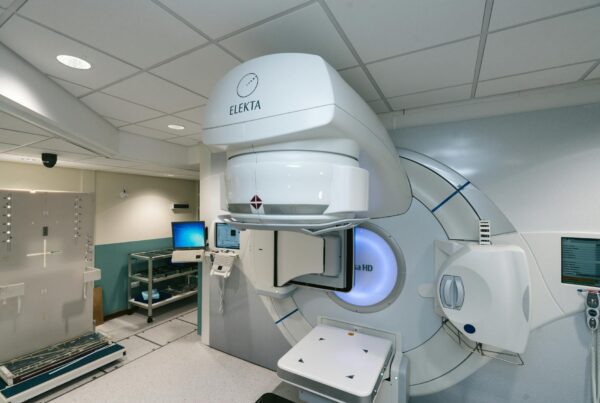
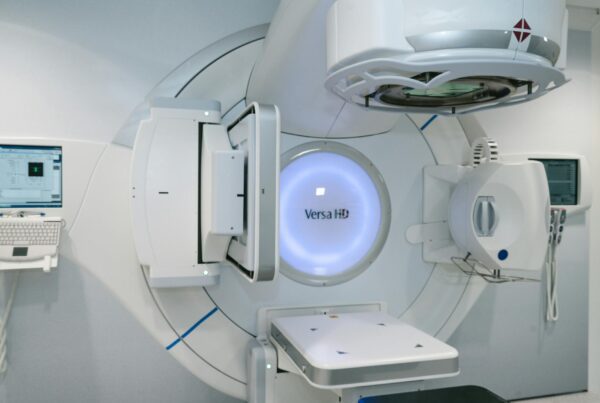
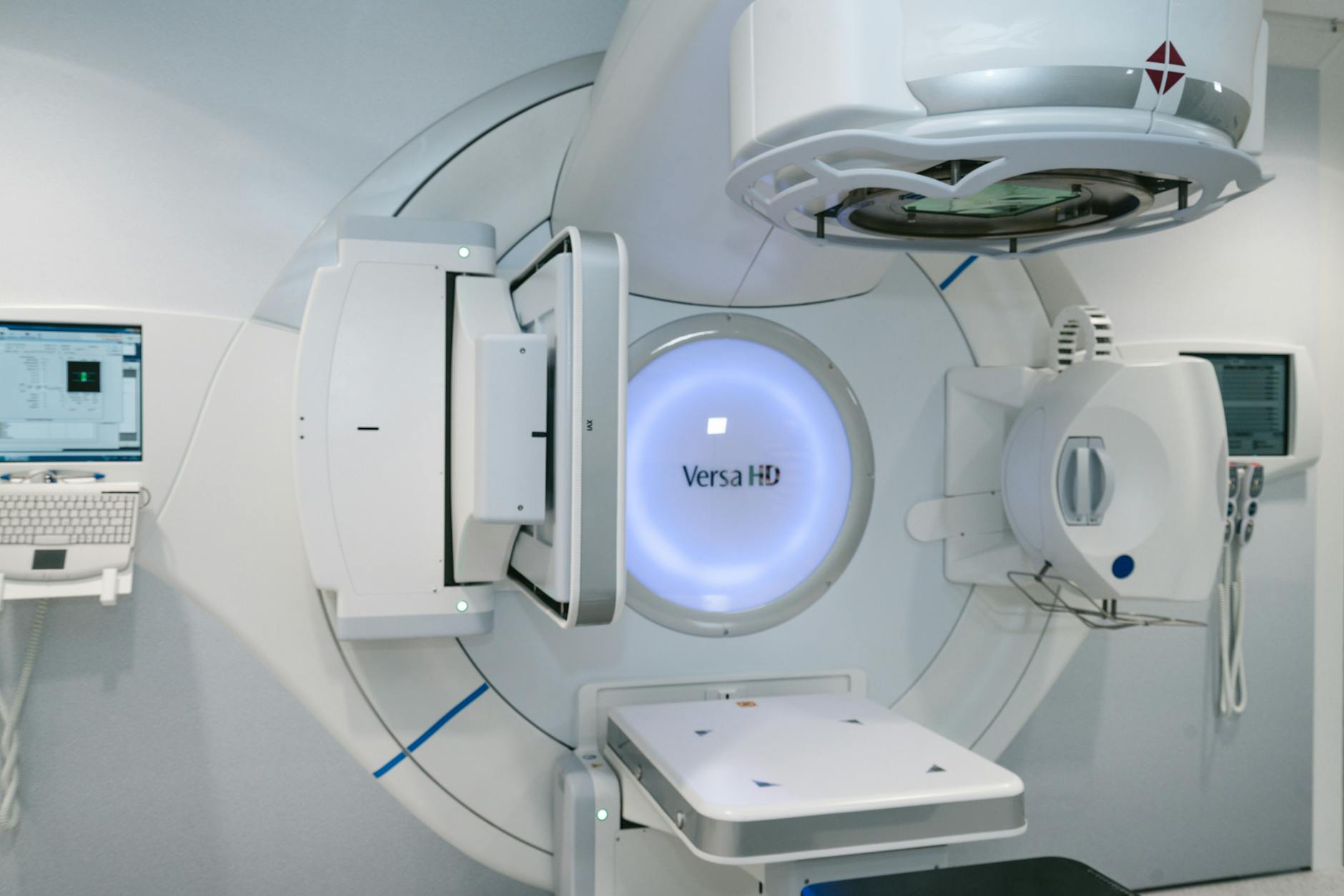
The Practical Guides in Radiation Oncology series was designed to assist residents and practicing radiation oncologists in applying current techniques, including IMRT and SBRT. Each chapter provides clear guidance on contouring, treatment recommendations, and advanced planning options. If you work with modern radiation therapy equipment, you will find here the indispensable clinical complement.
In This Article
Head and Neck Tumors: From Contouring to Field Design
Head and neck represents the anatomical region with the greatest contouring complexity in radiation therapy. The proximity between tumor volumes and critical structures — parotid glands, spinal cord, brainstem, optic nerves — demands mastery of cross-sectional anatomy and absolute rigor in contouring.
Nasopharyngeal Carcinoma
Nasopharyngeal carcinoma is one of the most challenging tumors for delineation, given the frequent skull base involvement and mandatory bilateral nodal drainage. The chapter presents general planning principles including MRI fusion for better visualization of the primary tumor. Nodal coverage must include retropharyngeal and bilateral cervical levels, even in early stages. Read our dedicated article on nasopharyngeal contouring and dose guidance.
Oropharyngeal Carcinoma
Oropharyngeal tumors encompass tonsils, base of tongue, soft palate, and posterior pharyngeal wall. The vast majority are squamous cell carcinomas associated with HPV, which carry superior prognosis. Since the previous edition, AJCC introduced separate staging for HPV-positive and HPV-negative tumors. Dose and fractionation schemes vary by HPV status. Learn more about oropharyngeal planning principles.
SBRT for Head and Neck
Stereotactic body radiotherapy has gained ground in elderly and frail patients with advanced head and neck cancer. In selected patients, SBRT offers the advantage of abbreviated courses with ablative doses, balancing tumor control with tolerability. The decision between prolonged radical radiation and SBRT considers patient preference, tumor factors, life expectancy, and comorbidities. Understand the SBRT workflow and constraints for head and neck.
Larynx Cancer
The larynx is divided into three subsites: supraglottis, glottis, and subglottis. Each subsite has distinct spread patterns that determine elective nodal coverage. Bilateral elective nodal irradiation is warranted for all supraglottic tumors, while early glottic tumors may not require nodal coverage. See our dedicated article on larynx cancer delineation.
Hypopharyngeal Carcinoma
The hypopharynx lies between the oropharynx superiorly and cervical esophagus inferiorly, with the larynx positioned anteromedially. It extends from the top of the hyoid bone (C4) to the bottom of the cricoid cartilage (C6). There are three subsites: paired pyriform sinuses, posterior pharyngeal wall, and post-cricoid region. Hypopharyngeal tumors tend to spread submucosally, invading multiple sites with minimal anatomic barriers. Read about contouring margins and elective nodal treatment in hypopharyngeal cancer.
Oral Cavity, Paranasal Sinuses, Salivary Glands, Thyroid, and Unknown Primary
Oral cavity tumors require a comprehensive oral examination, biopsy, and imaging studies for staging. CT evaluates mandibular and maxillary invasion; MRI is superior for soft tissue extension and perineural spread; PET detects nodal involvement and distant disease. See details on oral cavity target volumes.
Sinonasal tumors include diverse histologies — squamous cell carcinoma, adenocarcinoma, adenoid cystic carcinoma, esthesioneuroblastoma, among others — and spread easily between interconnected cavities via ostia and thin septa. Learn more about sinonasal tumor contouring. For major salivary glands, MRI provides superior soft tissue contrast for tumor visualization within the gland, and fat-saturated contrast-enhanced T1 is essential for evaluating deep extension and perineural infiltration. See our salivary gland delineation article.
In thyroid cancer, special attention to iodinated contrast: it can interfere with radioactive iodine uptake for up to 6 months. Ultrasound and MRI are valuable alternatives. Read more about thyroid cancer planning. For unknown primary of the head and neck, exhaustive workup — complete physical exam, fiberoptic examination, high-resolution CT, skin and scalp examination — is mandatory before definitive diagnosis. See mucosal coverage strategies and nodal treatment.
Breast: From Tangential Fields to Regional Nodal Irradiation
Early Breast Cancer
Three-dimensional conformal radiation therapy with appropriate compensation (field-in-field technique) is the standard for adjuvant breast radiotherapy. The highest level of evidence supports hypofractionated whole breast irradiation. Tumor bed boost further reduces local recurrence risk but may be omitted in low-risk patients. Boost planning typically uses en face electron beams with energy selected by depth to tumor bed plus margin. Accelerated partial breast irradiation (APBI) is an acceptable alternative for selected low-risk patients. See setup details and target definition for early breast cancer.
Regional Nodal Irradiation
Patients undergo CT simulation in treatment position with both arms elevated using breast board immobilization. In intact breast cases, lumpectomy borders and scar may be wire-marked before scanning. The scan extends from the cricoid to 5 cm below the inferior field edge, including both lungs entirely. Read about regional nodal contouring and chest wall scenarios.
Lung and Esophagus: Motion Management and Nodal Stations
Lung Cancer
CT-based planning with conformal techniques and respiratory motion management is the standard of care for both NSCLC and SCLC. Three approaches — 3D-CRT, IMRT, and SBRT — use multiple beam angles with varying dose conformality. All require precise delineation of target volumes, normal structures, and OARs, plus DVH evaluation. Understanding mediastinal nodal stations at risk is fundamental, following published consensus atlases. See our complete article on lung cancer delineation.
Esophageal Cancer
CT-based planning with conformal techniques is the standard. The esophagus begins at the lower border of the cricoid cartilage, descends through the mediastinum, and crosses the diaphragm into the abdomen. This extension requires detailed knowledge of neck anatomy, brachial plexus, mediastinum, lungs, heart, spinal cord, and normal esophagus. Read about motion compensation and nodal coverage for esophageal cancer.
Abdominal Tumors: Stomach, Pancreas, and Liver
Gastric Cancer
The stomach extends from the gastroesophageal junction to the pylorus, with greater (left, convex) and lesser (right, concave) curvatures. It is divided into cardia, fundus, body, and antrum, with a five-layered wall. Planning must map spread patterns, lymph node stations, and consider post-gastrectomy anatomy. See clinical target volumes for different gastric cancer scenarios.
Pancreatic Cancer
IMRT is becoming the standard technique for pancreatic adenocarcinoma in neoadjuvant, adjuvant, and definitive settings. 3D-CRT may be appropriate for palliation. Ablative approaches require SBRT or image-guided techniques. Pancreatic protocol CT simulation (IV contrast in two phases: late arterial at 35s and portal venous at 90s) is essential for accurate delineation, especially for doses exceeding 50 Gy in EQD2. See details on fiducials and ablative planning for pancreatic cancer.
Hepatocellular Carcinoma
HCC requires multiphasic imaging, hepatic motion control, and vascular invasion assessment for proper planning. Multiphase MRI fusion is frequently necessary for precise GTV identification. Read more about HCC treatment planning.
Pelvic Tumors: Rectum and Anus
Rectal Cancer
Diagnostic workup relevant for target volume delineation includes high-resolution pelvic MRI, colonoscopy, chest-abdomen-pelvis CT, and frequently PET-CT. Planning must map specific pelvic nodal basins and respect target volumes per TNM staging. See the practical planning guide for rectal cancer.
Anal Cancer
The anal canal is approximately 4 cm in length, extending from the anorectal ring proximally to the anal verge distally. Planning integrates PET for staging, pelvic and inguinal nodal coverage, boost fields, and IMRT field setup. See details on nodal coverage and boost in anal cancer.
Gynecologic Oncology and Brachytherapy
Postoperative Gynecologic Radiotherapy
IMRT has become the treatment of choice for adjuvant radiotherapy in gynecologic cancers. A phase III randomized trial demonstrated significant reduction in acute GI and GU toxicity and improved quality of life with IMRT versus 3D-CRT. Additionally, IMRT reduces irradiated bone marrow volume with clinically significant toxicity reduction. Read about postoperative contouring and internal target volume strategy.
Definitive Gynecologic Radiotherapy
IMRT is rapidly becoming the widely used approach for definitive treatment of gynecologic cancers. Evidence from multiple phase II trials and controlled studies supports its effectiveness and reduced toxicity. Current phase III protocols use IMRT as the standard. See definitive pelvic delineation and nodal basins.
Image-Guided Brachytherapy
Image-guided brachytherapy encompasses applicator selection, HRCTV concepts, dose schedules, and workflow for cervical, endometrial, and vaginal cancers. Applicator choice, implant evaluation, and volumetric delineation are fundamental steps. See our dedicated article on image-guided brachytherapy.
Vulvar Cancer and Advanced Technologies
Vulvar cancer is one of the most complex disease sites for radiation therapy, owing to large treatment volumes and relatively high morbidity rates, particularly with intensive chemoradiation. IMRT is now widely used in clinical practice. Read about boost volumes and OARs in vulvar cancer. Advanced technologies include image guidance, bone marrow-sparing IMRT, adaptive replanning, proton therapy, and SBRT. See advanced techniques in gynecologic oncology.
Genitourinary: Prostate, Bladder, and Seminoma
Prostate Adenocarcinoma
IMRT is the standard technique for external beam radiotherapy in prostate adenocarcinoma, both in definitive (alone or combined with brachytherapy) and postoperative settings (adjuvant or salvage). Various fractionation schemes exist, but all rely on accurate target delineation and image-guided delivery to maximize tumor control and minimize toxicities. MRI fusion is fundamental for prostatic CTV definition. See details on CTV, MRI fusion, and seminal vesicle coverage.
Bladder Cancer
Organ preservation with trimodality therapy (TMT) — maximal TURBT followed by chemoradiotherapy — is a standard option for muscle-invasive bladder cancer. Bladder filling reproducibility, boost logic, image guidance, and planning workflow are central aspects. RTOG/NRG protocols classically used 3D-CRT, but recent studies permit IMRT. See bladder cancer planning workflow.
Testicular Seminoma
In almost all cases, initial testicular cancer management involves radical inguinal orchiectomy. Postoperative radiation is generally only considered for pure seminomas (the most common germ cell tumor type, highly radiosensitive). Workup must confirm pure seminoma with tumor markers (AFP, beta-hCG, LDH), imaging, and testicular ultrasound. Read about field borders and nodal topography in seminoma.
Central Nervous System: Metastases and Primary Tumors
Brain Metastases
The choice between whole brain radiation therapy (WBRT) and stereotactic radiosurgery (SRS) depends on the number and volume of metastases and performance status. Generally, SRS offers better neurocognitive function preservation and quality of life, while WBRT improves distant and overall intracranial control rates. Prognostic tools such as molecular GPA assist in decision-making. See details on cavity contouring and setup for brain metastases.
Benign CNS Tumors
Meningiomas, pituitary tumors, schwannomas, and paragangliomas comprise the main benign tumors treated with radiation in the CNS. Patient positioning, immobilization, and simulation are standardized, with particular attention to critical normal structure delineation. Each histology requires specific contouring and prescription approaches. Read about planning for benign CNS tumors.
Malignant CNS Tumors
Management of malignant primary brain tumors requires detailed history, focused neurologic examination, laboratory investigations (including hormonal function assessment), and diagnostic imaging. High-grade gliomas and atypical/malignant meningiomas have distinct margin and delineation considerations. See margins and planning for malignant CNS tumors.
Lymphoma and Soft Tissue Sarcoma
Hodgkin and Non-Hodgkin Lymphoma
Involved-site radiation therapy (ISRT) and involved-node radiation therapy (INRT) concepts have revolutionized lymphoma planning. Image registration and field setup are guided by pre-chemotherapy PET. Extranodal sites — inguinal/pelvic region, stomach, and orbital/sinonasal areas — have specific considerations. See case-based delineation examples for lymphoma.
Soft Tissue Sarcoma
Anatomic location, size, depth relative to the superficial fascia, and pathological features dictate soft tissue sarcoma management. Invasion is typically longitudinal within muscle, confined to the compartment of origin. Suspicious peritumoral changes (edema) may harbor microscopic disease and should be encompassed in the target volume. STS generally respect barriers such as bone, interosseous membrane, and major fascial planes. See compartment anatomy and margins in sarcoma.
Pediatric Oncology: Sarcomas and Brain Tumors
Pediatric Sarcoma
Pediatric sarcomas are a heterogeneous group including bone and soft tissue sarcomas. Ewing sarcoma is the second most common pediatric bone tumor, and rhabdomyosarcoma is the most common pediatric STS. Treatment algorithms vary significantly by histology, stage, risk grouping, and geographical practice patterns (Europe versus United States). Read about imaging, margins, and setup strategies in pediatric sarcoma.
Pediatric Brain Tumors
Medulloblastoma, ependymoma, and pure germinoma are the main entities addressed. For medulloblastoma, multiple delivery techniques can be used — 3D conformal, IMRT, VMAT, and proton therapy — but all require careful volumetric target delineation. Ependymoma and germinoma have distinct target volume and prescription logic. See the delineation guide for pediatric brain tumors.
| Anatomical Site | Standard Technique | Key Observation |
|---|---|---|
| Nasopharynx | IMRT | MRI fusion mandatory; bilateral nodal coverage |
| Oropharynx | IMRT | Separate staging for HPV+/HPV− |
| Larynx (early glottic) | 3D-CRT/IMRT | May omit nodal coverage for T1 |
| Lung | 3D-CRT/IMRT/SBRT | Respiratory motion management mandatory |
| Breast | 3D-CRT field-in-field | Hypofractionation as current standard |
| Prostate | IMRT + IG | MRI fusion for CTV definition |
| Pancreas | IMRT/SBRT | Biphasic contrast pancreatic protocol |
| Cervix (definitive) | IMRT + brachytherapy | MRI-guided HRCTV in brachytherapy |
| Brain metastases | SRS/WBRT | SRS preserves neurocognitive function |
| Medulloblastoma | 3D-CRT/IMRT/protons | Careful volumetric delineation mandatory |
Source: Target Volume Delineation and Field Setup, 2nd Edition — Adapted from all 34 chapters
Practical Planning Considerations
Several cross-cutting principles emerge from reading all 34 chapters of this book. First, image fusion (CT with MRI and/or PET) is indispensable for most sites — not a luxury, but a clinical necessity. Second, motion management (respiratory, bladder, bowel) must be systematically incorporated into planning, especially for thoracic and abdominal tumors.
Third, the choice between 3D-CRT, IMRT, and SBRT is not merely a question of available technology — it is a clinical decision that must consider target volume, OAR proximity, intended fractionation, and image verification capability. The current trend favors IMRT as the standard for most sites, with SBRT gaining ground in selected scenarios. For a broader view of the equipment needed, see the WHO/IAEA recommended radiation therapy equipment packages.
The Dynamic Beam Delivery with 4D Monte Carlo approach represents the horizon for even more precise integration between delineation and treatment delivery.
This guide provides the panoramic view. In each dedicated article of this series, you will find the complete details — contours, dose schemes, OAR constraint tables, and clinical examples — to apply these principles in your daily practice.