
GE HealthCare merges imaging units and changes CEO amid mixed earnings
GE HealthCare announced the merger of two of its largest radiology business lines into a single segment valued at $14.6 billion. The new division, named Advanced Imaging Solutions, brings together the Imaging and Advanced Visualization units and will be led by Phil Rackliffe, MBA, as president and CEO. Roland Rott, who had been running Imaging since 2024, is leaving the company after 15 years to "pursue external opportunities." The move was announced on April 29, 2026, alongside mixed quarterly results that forced the company to cut its profit outlook.
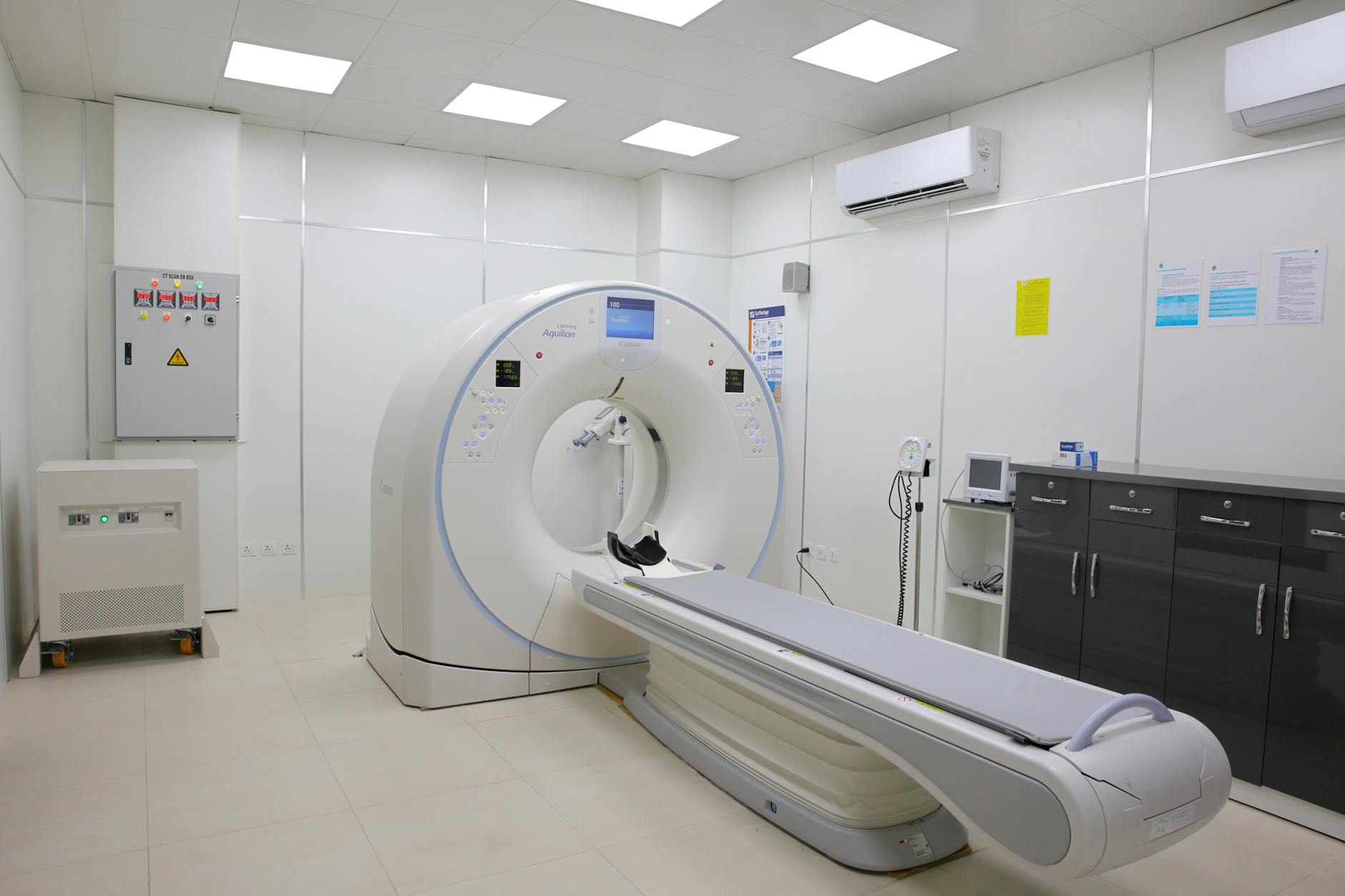
The new Advanced Imaging Solutions covers MR, CT, molecular imaging, women’s health and X-ray, plus advanced visualization products — specialized ultrasound, interventional guidance technology, workstations and others. According to Rackliffe, the realignment "better reflects how radiology care is delivered in 2026: imaging is no longer a set of discrete moments but a connected workflow from detection through diagnosis to intervention."
What changed in the structure
Until now, GE HealthCare operated through four segments: Imaging, Advanced Visualization Solutions (AVS), Patient Care Solutions and Pharmaceutical Diagnostics. With the consolidation, AVS ceases to exist as a standalone segment and its portfolio is folded into the new Advanced Imaging Solutions. The move responds to a growing customer demand for cross-modality integration — something hospitals had been signaling to GE in strategic rounds.
The logic aligns with a broader platform-integration trend among the major imaging vendors. Vendors like DeepTek and deepc are pursuing the same path on the radiology AI layer, integrating fragmented solutions into single platforms. The difference is that GE is doing it internally, fusing two already-robust divisions.
Who is Phil Rackliffe
Rackliffe is not a fresh face. Before taking over the new division, he led the advanced visualization area (2024-2026) and prior to that the Image Guided Therapies unit (2022-2024) — exactly the segment now fusing with Imaging. That track record creates relevant technical continuity for portfolio integration and gives partners and customers some predictability.
GE HealthCare’s global CEO Peter Arduini publicly thanked Rott in a statement: "Roland helped build a strong culture of innovation, collaboration and customer focus that will continue to shape the organization for years to come." Market readings point to tension between the pace of execution the leadership wants and the ongoing commercial transition.
Quarterly results and outlook adjustment
Quarterly results released the same week were described as "mixed." The company cut its profit outlook for the year, citing pressures in specific markets and currency impacts. For investors, the simultaneous consolidation move and outlook adjustment signal that leadership is betting on cutting redundancies and a clearer commercial focus to recover margin.
Medical imaging as a whole faces consolidation pressure: strong capital flows into radiology AI are pushing traditional vendors to accelerate software and workflow integration. Competitors such as Siemens Healthineers, Philips and Canon Medical are heading in similar directions, even if under different segment taxonomies.
Catherine Estrampes takes global commercial lead
In parallel, Catherine Estrampes was named chief commercial and growth officer for leading global markets. The new region consolidates all markets except China, which remains under Will Song’s leadership. The stated goal is to "strengthen how commercial teams build and scale expertise across markets" and bring the full imaging portfolio to customers globally.
The separation of China as a commercial segment reflects the regulatory and geopolitical complexity of that market, which has supplier chains and approval cycles distinct from the rest of the world. For Latin American customers, the structural change in practice keeps service via the existing regional team but with greater standardization of sales and support processes across regions.
Market implications
For hospitals and clinics running mixed GE estates, the consolidation could speed up integrated launches — acquisition equipment (CT, MR) shipped with advanced visualization layers and intervention-ready workstations. Over the medium term, that may shorten deployment time and simplify maintenance contracts. In the short term, the typical friction of any large-scale reorganization may show up: customer communication, changes in commercial points of contact and roadmap priority shifts.
Service contracts and software licensing are areas where customers should be particularly attentive. When divisions merge, line items can be renegotiated, and renewal cycles may shift to reflect the new portfolio structure. Procurement teams in larger health systems often use these moments to revisit total cost of ownership and request bundled pricing across the new combined catalog.
What to expect next
Investors and customers should watch three signals over the next quarters: the pace of portfolio integration between Imaging and AVS, retention of key technical talent from the prior structure, and stabilization of financial guidance. The next earnings release will be the thermometer to validate whether the reorganization can rebuild the margin trajectory or whether this becomes another adjustment cycle without short-term ROI impact.
Source: Radiology Business — GE HealthCare imaging CEO steps down (April 30, 2026).