
Expert Radiology grows 80% per year on RamSoft PACS in subspecialty teleradiology
Expert Radiology Management Services, founded in 2020 by radiologist Avery J. Knapp Jr., has become one of the most cited examples of national-scale subspecialty teleradiology in the US. In five years, the group went from 7,000 annual studies to nearly 200,000, with average year-over-year growth around 80% and more than 500,000 cases interpreted — supported by a team of 26 board-certified, fellowship-trained radiologists serving more than 350 imaging facilities across all 50 states.
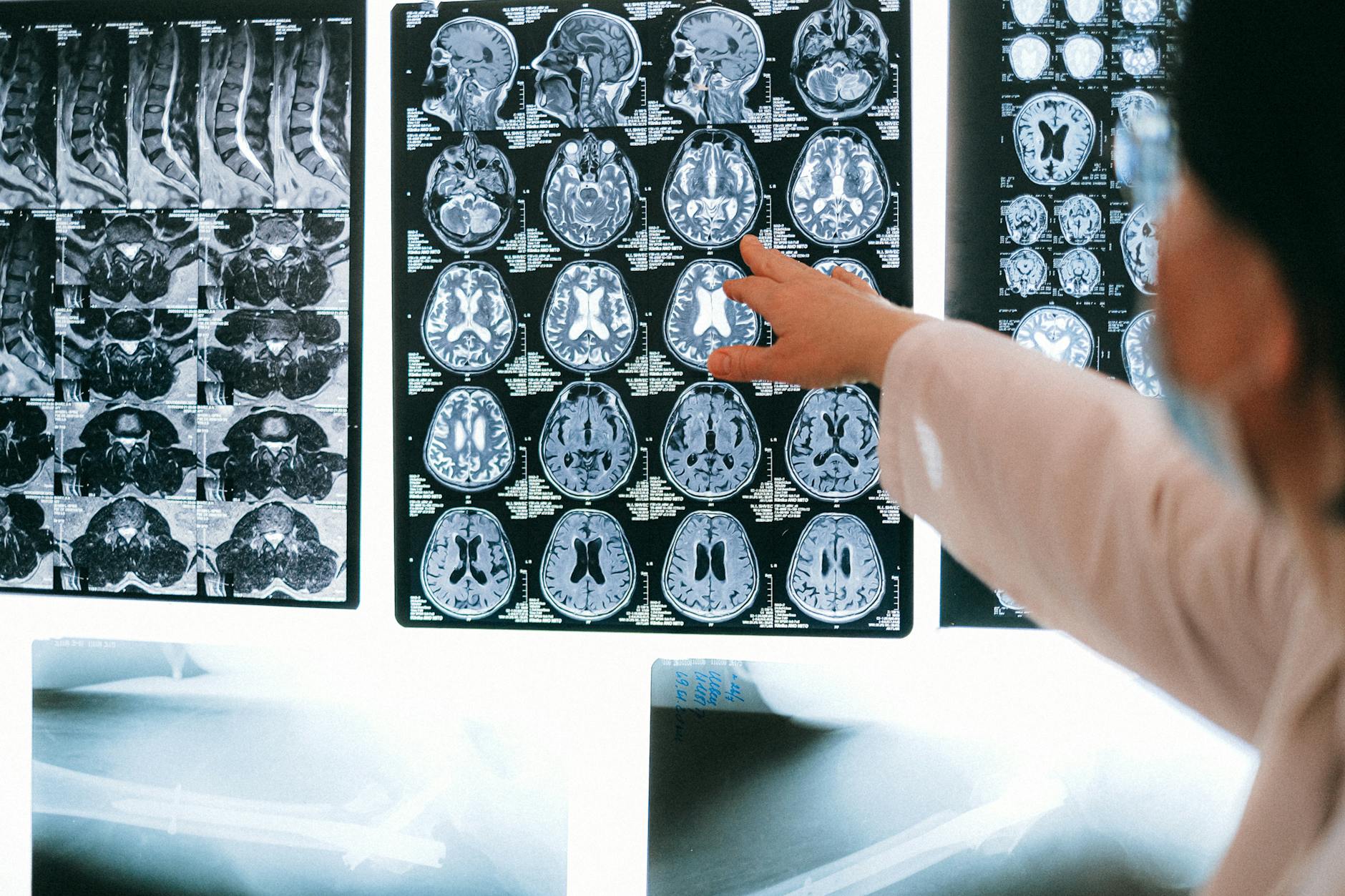
The group focuses on outpatient MRI with deep expertise in neuro and musculoskeletal imaging. The ITN Online case study highlights how the choice of the RamSoft PowerServer with PowerReader platform from inception was decisive for sustaining that pace without operational friction.
The challenge: starting from scratch — and getting it right the first time
Unlike typical migrations that have to leave legacy PACS behind, Expert Radiology was born without prior infrastructure. That turned out to be an advantage: the team could configure the platform exactly around the subspecialty workflow from day one, without legacy constraints. In teleradiology, radiologist time is the most valuable and most expensive resource. Every second saved loading a study, accessing prior reports or navigating a worklist compounds across hundreds of daily reads.
Three priorities, zero room for compromise
Three priorities shaped the choice: radiologist usability, reporting strength and scalability. Since radiologists represent the largest labor cost in any radiology organization, a fast, intuitive reading environment was a requirement, not a preference. The platform also had to sustain ongoing onboarding of new facilities, manage an expanding network of VPN connections and absorb rising volumes without degradation.
PowerReader delivers per-case load times of roughly five to six seconds, with a streamlined interface that, according to Expert Radiology, keeps radiologists focused on reading rather than on the software. For an operation where throughput is everything, that speed has direct operational impact across every shift.
Automated routing and white-glove VPN support
As volumes grew, manual study assignment became the bottleneck. Expert Radiology connected its Zeta Health credentialing database to drive automated routing: every study reaches the right radiologist instantly. The result: turnaround times cut by up to 50%. What was once a workflow constraint became a competitive advantage.
Another critical area in teleradiology is the VPN mesh between the group and its clients. With nearly 100 active client VPN connections, Expert Radiology highlights RamSoft’s support as "white-glove," with RamSoft-to-RamSoft connections often completed within a single day. For a distributed operation across 50 states, that speed is a real differentiator.
Concrete five-year results
The numbers tell the story: growth from 7,000 to nearly 200,000 annual studies; turnaround time reduced by approximately 50% after automated routing; 100 VPN connections managed without quality loss; and a 26-radiologist team with low frequency of complaints about PACS performance. Voice recognition integration for reporting is underway as the next stage.
Those numbers track with a growing literature on radiology productivity, which points to PACS learning curve and time spent navigating interfaces as under-reported bottlenecks in high-volume departments. Even staffing decisions like clerical assistant ratios are showing measurable impact on radiologist throughput, reinforcing that operational levers extend beyond the reading software itself.
Implications for teleradiology and department management
The case shows that scaling subspecialty teleradiology nationally requires technology choices aligned with workflow from the start. For groups thinking about launching remote operations, or clinics looking to outsource subspecialty reads, three points are actionable: invest in a responsive reading environment, automate subspecialty-based routing and treat IT support as a strategic asset — not just a cost line.
There’s also an indirect read on radiologist burnout and capital allocation in AI radiology platforms: more responsive reading environments cut friction that compounds through the day and feeds mental fatigue, while AI investment is concentrating on tools that complement, not replace, the radiologist. In small distributed teams like 26 radiologists across the country, satisfaction with tooling translates directly into retention and report quality, and infrastructure choices that minimize cognitive load have outsized leverage.
Cross-market relevance
Outside the U.S., teleradiology models vary in regulation but share the same operational pressure: subspecialty volume growing faster than radiologist supply. The Expert Radiology case offers a practical reference for managers evaluating platforms — focus on usability, routing automation and responsive support. AI integration into PACS is poised to add another productivity lever in the next few years, especially when AI worklist prioritization combines with subspecialty routing.
What’s next for Expert Radiology
The roadmap includes voice recognition integration and continued upgrades to newer PowerServer versions (the group has cited gains with the 6.7 release). The next phase of growth depends, according to the team, on the platform’s ability to scale alongside it. For professionals tracking the segment internationally, the relevant signal is how subspecialty teleradiology continues to differentiate from generalist models — a trend repeating globally as imaging volumes outpace radiologist supply.
Source: ITN Online — How Expert Radiology Scaled a National Teleradiology Practice (May 1, 2026).