
New Denton Facility Expands RLT Production Network
Novartis has announced plans to build a new radioligand therapy (RLT) manufacturing facility in Denton, Texas, expanding its U.S. production network to meet growing demand for these targeted cancer treatments. The 46,000-square-foot site is expected to be operational in 2028 and will become Novartis’ fifth RLT manufacturing facility in the country.
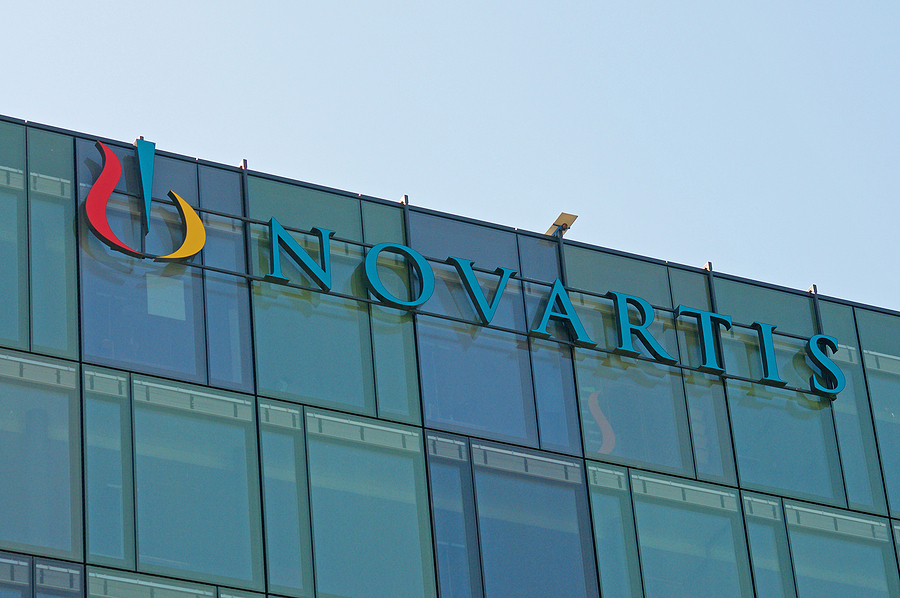
Construction is scheduled to begin this year, with the facility serving patients across the southern United States. The project is part of Novartis’ previously announced $23 billion investment in U.S. operations — a clear signal of the company’s strategic commitment to therapeutic nuclear medicine.
“RLT has the potential to revolutionize cancer care,” said Vas Narasimhan, CEO of Novartis. “The addition of our fifth RLT manufacturing site in the U.S. strengthens our ability to meet growing demand, building the capabilities needed to deliver these next-generation treatments with the speed and precision they require.”
Why Geographic Location Matters in RLT
Radioligand therapies are custom-made and time-sensitive, requiring coordinated manufacturing and delivery. Unlike conventional drugs that can be stockpiled, radioligands use radioactive isotopes with short half-lives — meaning each dose must be produced, transported and administered within a narrow time window.
Novartis reports that its U.S. network administers more than 99% of doses on the planned treatment day. Maintaining this rate with rising volumes demands geographic proximity between production sites and treatment centers. Existing facilities are located in New Jersey, Indiana and California, with another facility recently announced in Florida.
The choice of Texas is strategic: the state hosts major cancer centers, including MD Anderson Cancer Center in Houston, and has a growing population demanding expanded access to advanced treatments. Novartis has also established supply relationships with companies like Niowave, which will supply actinium-225 for the company’s RLT programs.
Understanding Radioligand Therapies
Radioligand therapies combine a molecule that specifically binds to tumor receptors (the ligand) with a radioactive isotope (the radionuclide). This combination delivers radiation directly to tumor cells while minimizing damage to surrounding healthy tissue — a concept often described as a “guided missile” against cancer.
Novartis’ best-known product in this category is Pluvicto (lutetium-177 vipivotide tetraxetan), approved for metastatic castration-resistant prostate cancer. The company is studying RLTs across several tumor types, including prostate, breast, colon, lung, brain and pancreatic cancers — explaining the need for growing manufacturing scale.
Implications for Radiotherapy and Nuclear Medicine
Novartis’ expansion reflects a broader industry trend of investment in therapeutic nuclear medicine. As RLT programs advance to earlier treatment lines and additional tumor types, manufacturing scale and geographic proximity to treatment centers have become central operational considerations.
For radiotherapy and nuclear medicine professionals, this expansion signals RLT is consolidating as a mainstream therapeutic modality, not merely a last resort. Nuclear medicine departments will need to prepare for increasing RLT administration volumes, impacting everything from radiation protection protocols to radiopharmaceutical receiving and temporary storage logistics. This evolution connects with trends discussed in AI and the future of radiotherapy.
Source: DOTmed