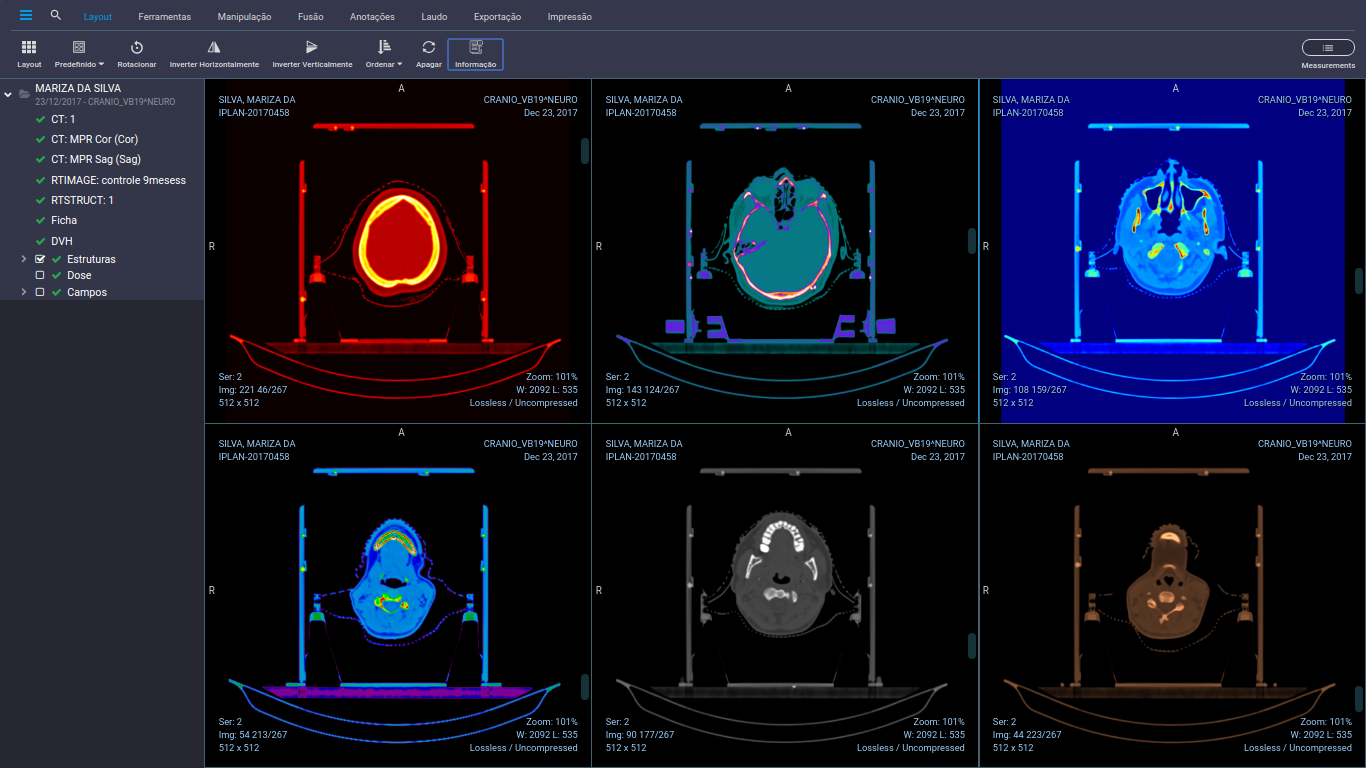
With PACS, medical images can be easily accessed, shared, and stored electronically, improving the speed and efficiency of diagnoses and treatment planning. Currently, artificial intelligence (AI) has been increasingly incorporated into modern PACS, enhancing the efficiency, accuracy, and usability of these systems. Some of the AI applications in today’s PACS include:
- AI-Assisted Detection and Diagnosis: AI algorithms can automatically analyze medical images stored in PACS to identify potential abnormalities and assist radiologists in clinical decision-making, reducing analysis time and minimizing errors.
- Case Prioritization: AI can be used to classify and prioritize cases based on the urgency and severity of patient conditions, ensuring that radiologists address the most critical cases first and improving overall care efficiency.
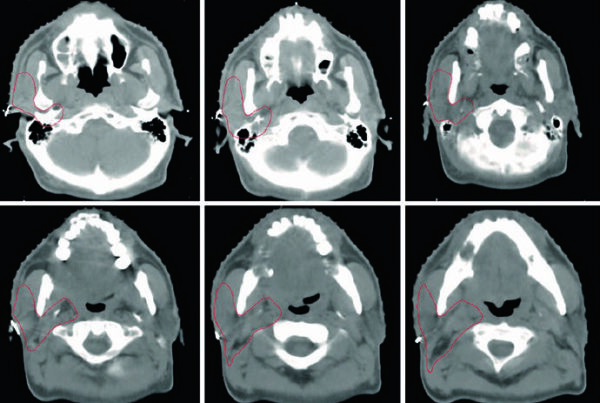
- Automatic Organ and Structure Segmentation: AI algorithms can perform automatic segmentation of organs and anatomical structures in images stored in PACS, facilitating image analysis and comparison by radiologists.
- Automated Report Generation: AI can generate medical reports based on images and available clinical information, assisting radiologists in producing accurate and consistent reports.
- Learning and Training Tools: AI can be used to create simulations and educational exercises based on images stored in PACS, contributing to the training and development of future radiology professionals.
- Data Integration and Predictive Analytics: AI can analyze clinical data, medical histories, and radiological images stored in PACS to identify patterns, trends, and potential outcomes, improving patient treatment and follow-up.
These AI applications in modern PACS are transforming how radiologists and other healthcare professionals work with medical images, increasing the efficiency, accuracy, and quality of patient care. However, the future of medical imaging with PACS technology is even more exciting with the integration of artificial intelligence (AI). In this post, we will explore the future of medical imaging with PACS technology and AI.
Enhanced Image Analysis with AI
AI algorithms can rapidly analyze large volumes of medical images and provide insights that would be difficult for
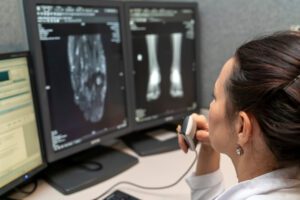
Radiology Report
human radiologists to identify. This can greatly improve the speed and accuracy of diagnoses and lead to better treatment outcomes. In the future, new AI algorithms integrated with PACS technology will be able to provide real-time analysis of medical images, making the diagnostic process even more efficient.
Reduced Workload for Radiologists
With AI algorithms handling a large portion of the image analysis process, radiologists will be able to focus on more complex cases that require their expertise. This can reduce the workload on radiologists and allow them to provide higher-quality care to their patients.
More Personalized Medical Care
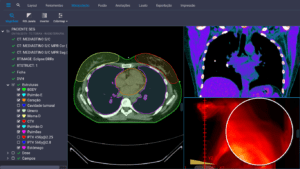
Automatic CT Segmentation with AI
AI algorithms can analyze medical images to identify patterns and provide more personalized treatment recommendations. In the future, AI-integrated PACS technology will be able to deliver personalized treatment plans for individual patients, leading to better health outcomes.
Today, artificial intelligence already plays a fundamental role in automatic organ segmentation and medical report generation in radiology. Automatic segmentation enables AI to identify and delineate organs and anatomical structures in medical images, which facilitates analysis by radiologists and the identification of potential abnormalities. Additionally, AI can generate medical reports based on information extracted from images, describing observations and conclusions clearly and concisely. This streamlines the analysis process, increases diagnostic accuracy, and allows healthcare professionals to focus on more complex tasks and direct patient care.
The Impact of GPT-4 on Radiology
The adoption of technologies such as OpenAI’s GPT-4 has driven significant changes in radiology, improving efficiency, accuracy, and diagnostic quality, while also enabling advances in patient treatment and follow-up. In this article, we explore the impact of GPT-4 on radiology and how this technology has revolutionized medical practice.
Diagnostic Assistance and Image Interpretation
GPT-4, with its powerful natural language processing and deep learning system, has been used to assist radiologists in interpreting medical images, including X-rays, computed tomography scans, and magnetic resonance imaging. By analyzing patterns and specific characteristics in images, GPT-4 can provide diagnostic suggestions and detect abnormalities with accuracy surpassing that of humans in many cases. This assistance not only improves radiologist efficiency but also minimizes the possibility of human errors and false-positive or false-negative results.
Personalized Treatment and Follow-Up
GPT-4 has also been used to develop personalized treatment plans and monitor patient progress. By processing clinical data, medical histories, and radiological images, AI can identify trends, predict outcomes, and recommend therapeutic approaches tailored to each patient’s specific needs. This enables personalized medicine and increases the chances of treatment success.
Radiology Education and Training
Artificial intelligence has been a valuable tool for the education and training of future radiologists. GPT-4 can be used to create realistic simulations and diagnostic scenarios, allowing students to test their skills and make clinical decisions in a safe, controlled environment. Furthermore, GPT-4 can offer instant feedback and suggestions for improvement, promoting more efficient and accelerated learning.
Increased Accessibility of Radiology Services
With the growing demand for radiology services, GPT-4 has the potential to make these services more accessible and available to a greater number of patients. AI can be used to perform rapid screening and diagnosis, especially in remote areas or those with limited resources, improving access to healthcare and reducing the burden on medical systems.
Automated Image Management
In the future, AI-integrated PACS technology will be able to automate many tasks related to image management, such as image storage, retrieval, and distribution. This will greatly improve the efficiency of medical imaging services and reduce the burden on healthcare professionals. The future of medical imaging with PACS technology and AI is exciting. With enhanced image analysis, reduced radiologist workload, more personalized medical care, and automated image management, AI-integrated PACS technology will greatly improve the speed and efficiency of medical imaging services, leading to better health outcomes for patients.