
GLP-1 class drugs may do more than curb appetite: PET/CT imaging suggests they also activate brown fat and boost energy expenditure at the tissue level. The finding comes from the TABFAT study, presented at the ENDO 2026 meeting in Chicago, and helps explain, in images, a mechanism that until now was largely theoretical.
How the study was done
The randomized, placebo-controlled TABFAT trial was led by Rok Herman, MD, of the Department of Endocrinology, Diabetes and Metabolic Diseases at the University Medical Centre Ljubljana, Slovenia. It enrolled 34 premenopausal women with obesity, with a median age of 39 years and a median body mass index of 36.9 kg/m². Over 24 weeks, they received weekly tirzepatide (mean dose 8.8 mg) or placebo.
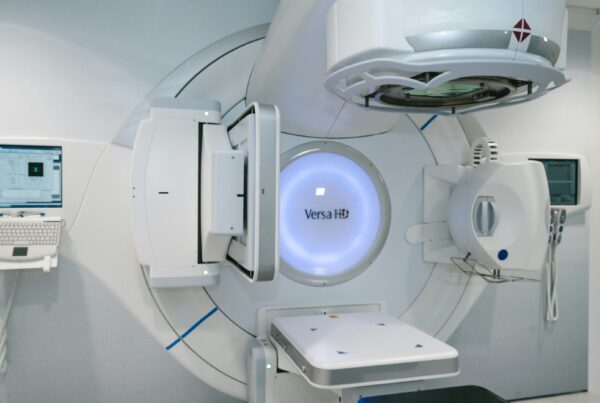
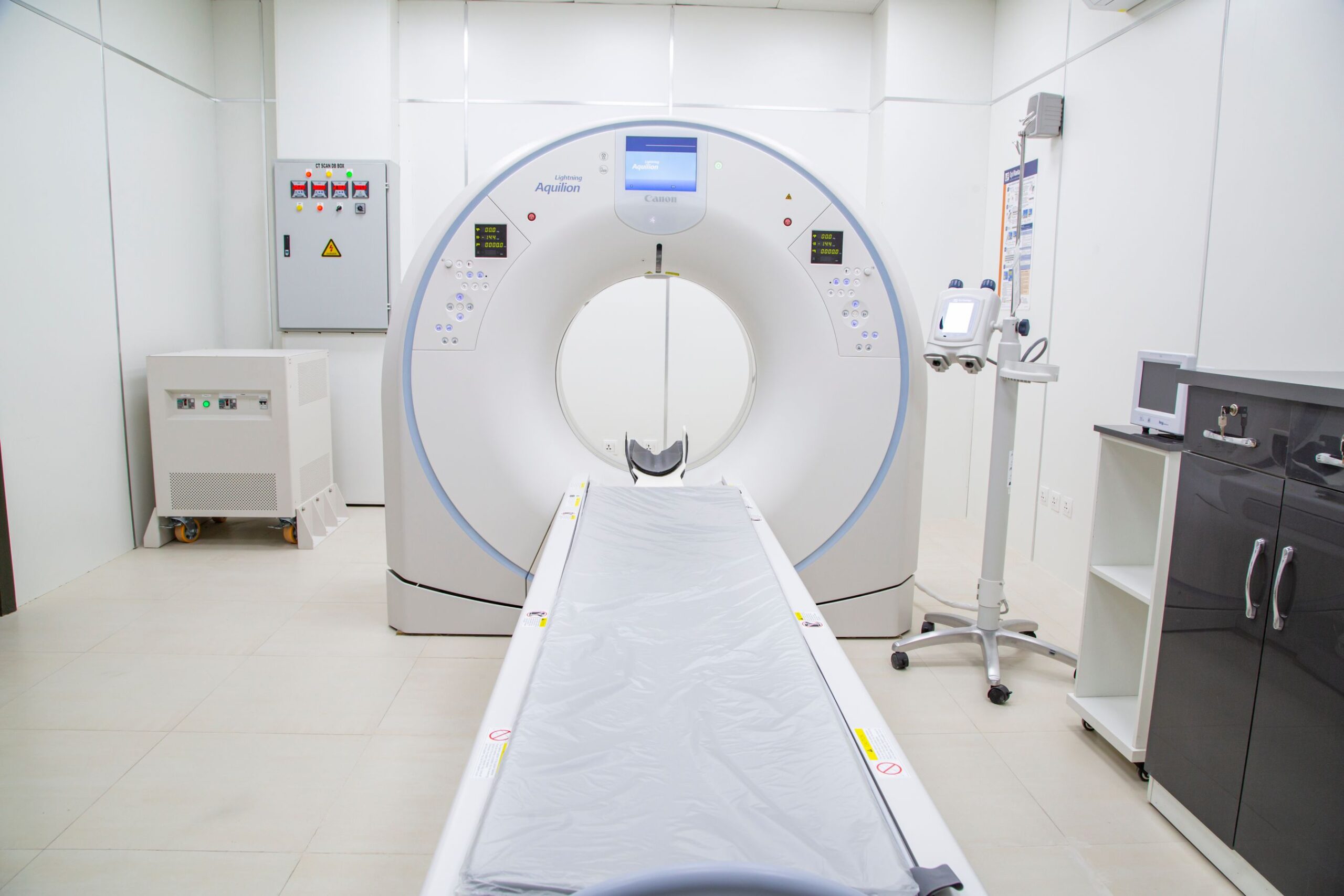
The study’s distinctive feature is functional imaging. The researchers combined cold-stimulated FDG-PET/CT, thermoneutral MRI and cold-stimulated infrared thermography. The goal was to visualize brown adipose tissue (BAT) directly — fat that burns calories to produce heat — something a scale and a tape measure alone could never reveal.
What brown fat is — and why it matters
Not all fat is the same. White fat, dominant in the adult body, stores energy; brown fat does the opposite, burning energy to generate heat in a process called thermogenesis. Infants have plenty of brown fat to stay warm, but for a long time it was thought to all but disappear in adulthood. FDG-PET imaging changed that view by revealing active brown-fat depots in adults, mainly around the neck and shoulders.
That is why brown fat has become a target of interest in fighting obesity: if it can be safely “switched on,” it opens a path to increasing calorie burn without relying on food restriction alone. This is precisely the point the TABFAT study helps illuminate — and it could only be demonstrated because functional imaging can capture, with the right stimulus, a tissue that would otherwise go unnoticed.
What the imaging showed
The results were consistent. In the tirzepatide group, the share of participants with detectable brown fat activity on FDG-PET/CT rose from 41.2% to 64.7% over 24 weeks, with no change in the placebo group (P = .005). The treated group also had greater increases in both BAT activity and volume under cold stimulation (P < .05). Median weight loss was 13.5%.
The most intriguing finding, however, was different. Brown fat activation did not correlate with the degree of weight loss. In other words, the thermogenic effect occurred independently of appetite reduction. The authors also observed signs of “beiging” — the conversion of white subcutaneous fat toward a more beige, metabolically active tissue.
Why it matters for imaging
GLP-1 and GIP receptor agonists — tirzepatide acts on both — were seen mainly as appetite suppressants. FDG-PET/CT detects glucose uptake by metabolically active tissue, and cold stimulation “provokes” brown fat, making it visible. The novelty is that imaging revealed a second mechanism: the drug appears to raise energy expenditure in the tissue itself, not just to reduce intake. This kind of reading connects to what we saw about the advance of PET in nuclear medicine at SNMMI 2026 and how new radiotracers expand what PET can see in vivo.
“The signal of brown adipose tissue activation was not correlated with the degree of weight loss,” Herman said, adding that these drugs “are not only appetite suppressants — tirzepatide also appears to modulate energy expenditure at the tissue level.”
Practical implications and limitations
For radiology and nuclear medicine, the study reinforces a growing role: functional imaging as a tool to non-invasively monitor a metabolic response to drugs. Instead of waiting weeks for clinical endpoints, PET/CT can show, at the tissue level, whether a drug is doing what is expected of it. That has value both in developing new drugs and, in the future, in personalizing treatments for obesity and metabolic disease. It also hints at a broader shift: as obesity medications move into routine use for tens of millions of people, imaging departments may increasingly be asked to characterize body composition, fat distribution and metabolic activity — workloads that barely existed a few years ago. Standardized cold-stimulation PET protocols and clear reporting will matter if these measurements are to be compared across centers.
Enthusiasm should be calibrated, though. This is a small study with only 34 participants, and the data were presented as a conference abstract, not yet peer-reviewed. Confirmation in larger, more diverse samples is the next step. Even so, the work neatly illustrates how imaging has moved beyond merely detecting disease to also explaining, in detail, how treatments work from the inside. For radiologists, the takeaway is less about a single drug than about a trajectory: functional and molecular imaging are steadily becoming instruments to read physiology in motion, not just snapshots of anatomy.
Source: Radiology Business — TABFAT study presented at ENDO 2026 (Endocrine Society).