
Olympus and Canon launch Aplio i800 EUS premium ultrasound in the US
Olympus and Canon Medical Systems have announced the U.S. launch of the Aplio i800 EUS premium ultrasound system, with exclusive Olympus distribution for gastroenterology and pulmonary endoscopic use. The system, manufactured by Canon Inc., is the first product to come out of a formal alliance between the two companies, pairing Olympus’ endoscopy expertise with Canon’s premium ultrasound platform. The launch took effect on May 1, 2026, and applies to the United States, Puerto Rico and Bermuda.
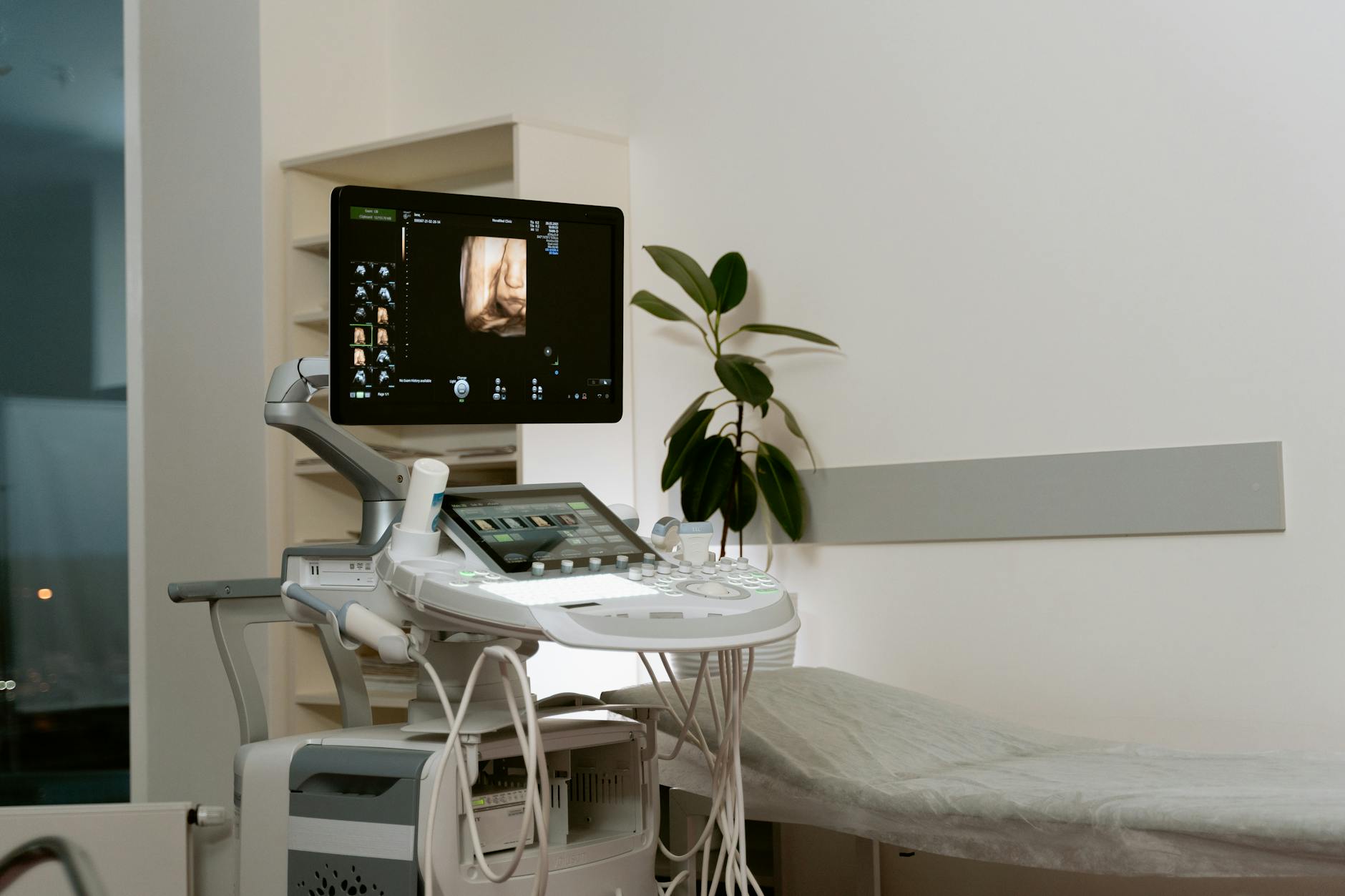
Officially showcased at Digestive Disease Week 2026 in Chicago (May 3-5), the system will be on demonstration at Olympus Booth #4611. For the U.S. market, the addition is significant: the endoscopic ultrasound (EUS) segment has expanded as minimally invasive procedures grow for diagnosis and staging of pancreatic, hepatic and biliopancreatic tumors.
Technical features and differentiation
The Aplio i800 EUS is a premium-class platform derived from Canon Medical’s Aplio i-series, adapted for endoscopic use. Clinically validated tools include Shear Wave Elastography for quantitative tissue characterization and Attenuation Imaging for non-invasive assessment of liver steatosis. These add to Superb Micro-vascular Imaging (SMI), which visualizes microvasculature without contrast, and Smart 3D, which reconstructs volumes from planar sweeps.
Combining those modalities in a single endoscopic system is the alliance’s differentiation bet. For the endosonographer, the gain lies in performing a more comprehensive diagnostic workup in one session — characterizing pancreatic lesions with elastography, evaluating perfusion with SMI and acquiring volumetric data for biopsy planning, all within the endoscopic workflow.
What changes in clinical practice
At hepato-pancreato-biliary referral centers, EUS is already a key tool for biliary drainage, pancreatic mass biopsy and gastric cancer staging. Better image quality from the Aplio toolset may reduce repeat procedures and improve target selection for fine-needle biopsy. In interventional pulmonology, the system supports EBUS bronchoscopy for mediastinal staging, an area where incidental findings on chest CT often trigger downstream EUS/EBUS workups.
The launch also signals heightened competition. Historically, the U.S. EUS segment was split between Pentax/Hitachi and Fujifilm as Olympus’ main rivals on the endoscope side; now, with Olympus distributing a Canon console, the ecosystem reshapes. For hospitals with Olympus legacy on the endoscope side, the integration cuts operational friction — staff don’t have to learn a brand-new platform from scratch.
The Olympus-Canon alliance and roadmap
The partnership was announced in mid-2024, with Canon Medical and Olympus signing a co-development agreement focused on EUS solutions. The Aplio i800 EUS is the first alliance product to reach the U.S. market. Miquel Àngel García of Olympus says the system "elevates the capabilities of our ultrasound portfolio to support clinicians in achieving improved efficiency and more confident diagnoses." John Serovich of Canon Medical describes the partnership as an "exciting step forward as we work together to elevate the future of EUS."
For endosonographers internationally, the U.S. launch matters: standards adopted in the U.S. tend to influence other regulators in subsequent cycles and shape the evidence base for reimbursement. Strategic vendor moves like this one continue to mold the imaging equipment landscape.
Market implications
The global EUS segment is projected to grow 6% to 8% per year through 2030, fueled by rising pancreatic cancer incidence and the expansion of therapeutic EUS centers (pseudocyst drainage, EUS-guided gastroenterostomy). Capturing part of that growth requires platforms that bring real differentiation in image quality — a battlefield where integrated radiology AI solutions are also competing as a complementary layer.
Workflow and clinical training
Another relevant point is the learning curve. Premium EUS systems require specific training — different from transthoracic echocardiography or abdominal ultrasound. Integration with the Olympus interface, already familiar to thousands of endoscopists, helps reduce that friction. DDW training programs and ASGE hands-on courses are typically important channels for practical certification on this equipment profile; Olympus is expected to expand those tracks in partnership with Canon over the next 12 months.
Reimbursement and economic outlook
Reimbursement remains a key driver. In the U.S., CPT codes for endoscopic ultrasound (43237-43242 and related) cover most diagnostic and therapeutic indications. The combination of advanced features in a single console can support higher-acuity coding and reduce the need for separate ultrasound or elastography sessions. Hospitals weighing capital expenditure against ROI will look at procedure volume, mix of therapeutic EUS, and growth in interventional pulmonology when projecting payback windows for premium consoles like the i800.
What’s next
The DDW 2026 demonstration is the commercial kickoff. The alliance is expected to bring additional models to other geographies, and Olympus is likely to push deeper integration between its endoscope portfolio and the Canon platform. For international endosonographers, adoption will hinge on local distribution agreements — typically a 6 to 12 month lag behind U.S. premium-equipment launches in this category.