
A California court has dismissed the charges against a woman accused of trying to poison her husband, a radiologist, with drain cleaner. The decision, handed down on May 29, revives a case that drew national attention in the United States and exposes how fragile a prosecution can be when evidence is mishandled.
What the court decided
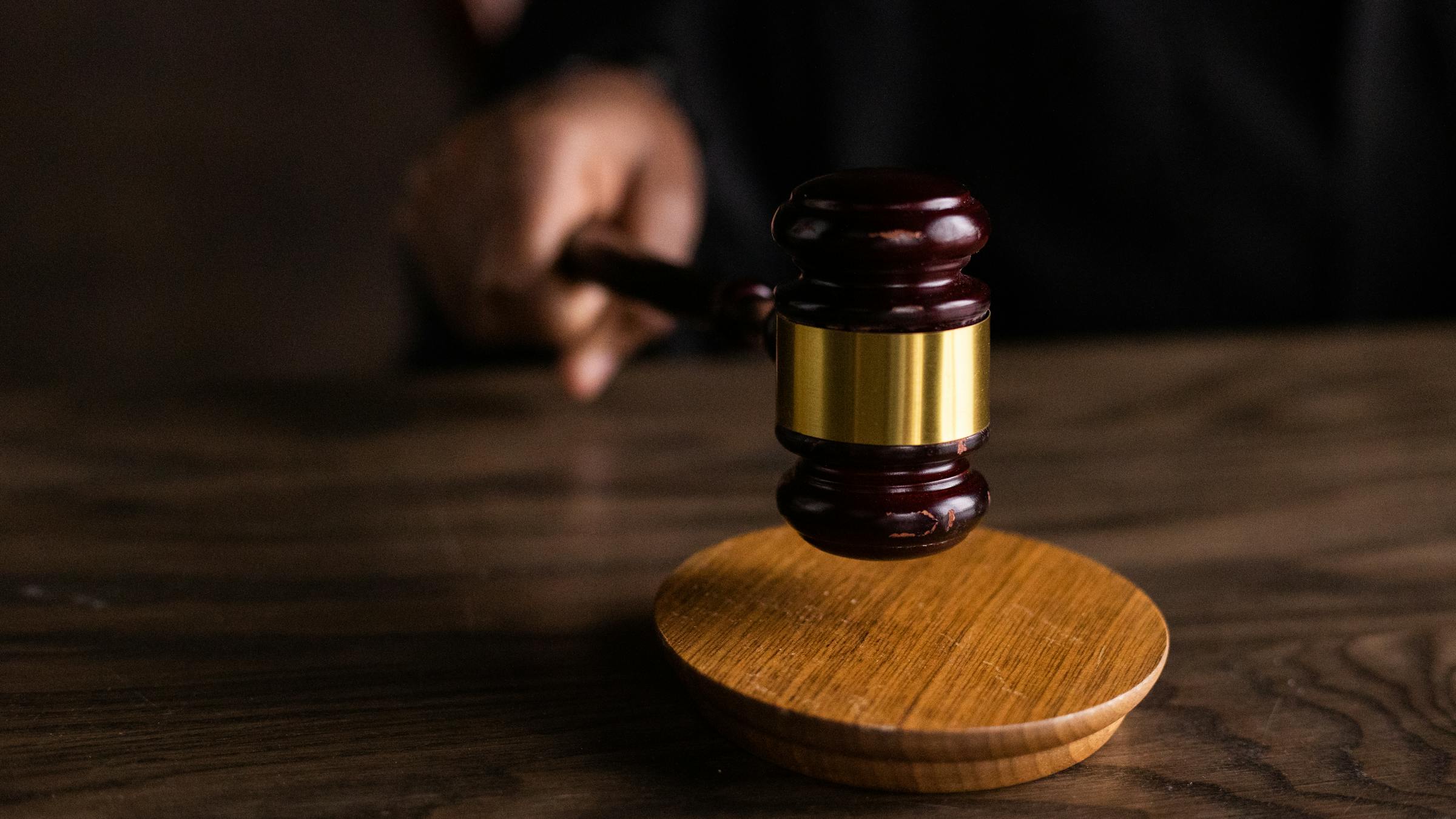
In 2023, a grand jury had indicted dermatologist Yue “Emily” Yu, MD, PhD, on four felony counts. Now a California judge has thrown out the indictment after concluding that the Orange County District Attorney’s Office withheld evidence from the grand jury that handed down the decision, according to CNN. It is the second time the charges have been dismissed in the case.
Defense representatives argue that jurors likely would not have found probable cause to indict her had they had access to all the relevant facts. “Dr. Yu has maintained her innocence from the beginning. Now she can begin to reclaim what matters most — her family, her patients, and her life,” said attorney Scott Simmons.
The original accusations
The case began in April 2022, when Yu’s then-husband, radiologist Jack Chen, MD, said he had noticed a strange taste in his beverage. As the problem persisted, he reportedly set up a camera in the kitchen of the family’s home in Irvine, California. On three occasions in July 2022, the device allegedly recorded Yu pouring a substance from a bottle of drain cleaner into the drink left on the counter.
According to local authorities, Chen went on to suffer from stomach ulcers after the alleged poisoning. He collected samples of the drink and handed them to the Irvine Police Department; the FBI reportedly confirmed the presence of household chemicals. Yu was arrested in August 2022 on suspicion of poisoning and released after posting a US$30,000 bond.
The defense’s version
Yu’s attorneys deny that she tried to poison her husband. According to the defense, she was pouring the product as a trap to kill ants in the kitchen — a method her husband had allegedly suggested — amid a bitter divorce. Earlier accounts identified the drink as tea; CNN’s most recent reporting describes it as lemonade.
Simmons also argued, back in 2023, that the medical evidence was inconsistent with the claim that Chen ingested the drain cleaner. “As you know, Drano is a caustic substance. You would have severe injuries from consuming the Drano,” he said. The defense also contends that Chen never went to an emergency room over his alleged injuries and that prosecutors omitted an FBI chemist’s report indicating the samples were “drinkable.”
The other side and next steps
Authorities, however, said they plan to keep pursuing the case and dispute the basis of the ruling. “We believe in the strength of the evidence in this case, and in the professional conduct of our prosecutors,” said Kimberly Edds, director of public affairs for the Orange County District Attorney’s Office. “We will continue to litigate this in a court of law as we pursue justice.”
Chen, who was 53 at the time of the incident, has since finalized the divorce after ten years of marriage and was granted full custody of the couple’s two children. He practiced interventional and diagnostic radiology in Tarzana, California, and was affiliated with several medical centers. Yu, whose medical license remains active in the state, continues to assert her innocence — the defense accuses Chen of fabricating the episode to gain leverage in the custody battle.
Why the case matters to the medical community
Beyond its dramatic appeal, the episode touches on issues that matter deeply to the medical profession: the public exposure of healthcare workers, the weight of a criminal accusation on a career, and the importance of due process. It is not the first time a radiologist’s routine has made headlines for non-clinical reasons — we recently reported on the case of a couple who sued a radiologist over an allegedly missed stroke, another intersection of medicine and the courtroom.
Cases like this are a reminder that a physician’s professional life is not immune to personal and legal pressures, a backdrop that adds to the specialty’s familiar challenges, from long hours to the uncertainties facing those who choose radiology. As the U.S. justice system decides the next steps, caution is warranted: so far, what exists are dismissed charges and a defendant who declares herself innocent.
From a legal standpoint, the case illustrates an essential principle: how evidence is presented to a jury can be as decisive as the merits of the accusation itself. Omitting material favorable to the defense was, here, enough to bring down the entire indictment — a reminder that due process protects both society and the accused.
Source: Radiology Business