
A new French study delivered a figure that should make any imaging-service manager pause: artificial intelligence flagged 77% of mammography exams as low-risk, cases that could safely be pulled out of the double-reading workflow. In practice, that means lifting three out of every four exams off a second radiologist’s desk and concentrating expert time where it truly counts.
What the study found
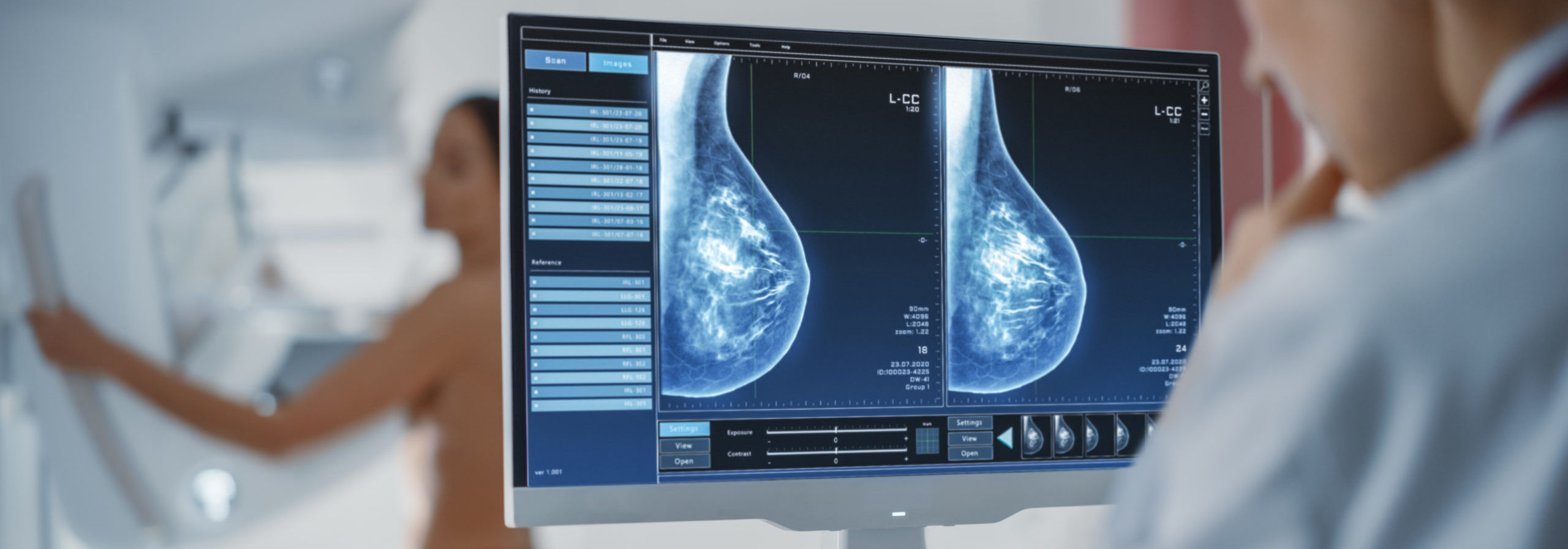
The research, published in Radiology: Artificial Intelligence, retrospectively analyzed mammograms from roughly 42,400 women acquired between 2015 and 2019. Investigators ran Therapixel’s MammoScreen algorithm and compared its performance against standard radiologist double reading.
France’s screening paradigm is unusual, and it helps explain the impact. Unlike the rest of Europe, France reserves double reading only for the lowest-risk cases — those classified BI-RADS 1 and 2 — while BI-RADS 3 to 5 exams go straight to diagnostic workup. Because double reading falls precisely on exams with low cancer prevalence, spotting the rare tumors hiding there is especially hard. The study asked a blunt question: what if AI took over that low-risk triage?
The numbers behind the triage
By classifying 77% of exams as low-risk, the model let only one cancer slip through in that group — a rate the researchers called “small but measurable.” Eleven additional cancers turned up in the group AI labeled non-low-risk, exams that would have gone through double reading anyway under the new workflow.
The most telling figure may be interval cancer — the kind that surfaces between screening rounds. Its rate was five times higher in cases classified non-low-risk than in low-risk ones (2.16 versus 0.47 per 1,000 exams). That signals the algorithm wasn’t guessing: it genuinely separated exams with biologically distinct risk profiles.
Why it matters for clinical practice
Double reading is expensive and consumes a scarce resource: radiologists. Removing 77% of exams from that step redirects skilled hours toward complex cases — exactly the ones that benefit most from careful human eyes. In systems strained by staffing shortages the payoff is obvious; recall how much public services already spend covering that gap, as we covered in the NHS’s billion-dollar radiology shortfall.
Even so, the study doesn’t hide the trade-off. There is a “small but non-zero risk” of missing a cancer. No manager should adopt AI triage without clear governance: continuous performance monitoring, auditing of low-risk cases, and fallback protocols. The technology shifts human effort — it does not erase clinical accountability.
Context: the mammography AI race
This result doesn’t stand alone. It echoes a wave of recent research testing AI as a screening filter, especially in Europe, where the double-reading paradigm magnifies the potential savings. Vision-language models are advancing on the same terrain — it’s worth knowing about HOPPR’s vision-language model for mammography, which points toward increasingly machine-assisted reporting.
The underlying debate stays the same one shadowing the whole specialty: does AI replace or support the radiologist? The evidence keeps pointing to support. As we discussed when analyzing whether AI helps trainees more than specialists, the real gain shows up when the machine takes the repetitive work and the human keeps the hard judgment calls.
How double reading works — and the Latin American angle
It’s worth spelling out the concept for anyone outside breast screening. In double reading, two radiologists analyze the same exam independently; when they disagree, a third arbitrates or the case goes to additional imaging. The method raises sensitivity and reduces missed cancers, but it costs twice the radiologist-hours per exam — a luxury that is increasingly hard to sustain.
In much of Latin America the picture differs from Europe’s: a large share of screening is single-read and often opportunistic, performed when a woman visits a service for another reason. That changes the calculus of AI triage. Rather than replacing a second read that frequently doesn’t exist, AI here tends to act as a safety net — flagging suspicious findings in services with few specialists and long queues. The lesson from the French study still holds: AI is effective at separating exams by risk, and that capability can be tuned to very different realities of coverage and radiologist density.
There is also the opportunistic-radiology and structured-reporting angle. When AI triage is wired into the PACS and the reporting system, it becomes simpler to track performance by cohort, audit false negatives, and adjust the “low-risk” threshold to local prevalence — exactly the governance that turns a strong research metric into routine safety.
Outlook and limitations
Because it is retrospective and built around a screening paradigm specific to France, the study needs prospective validation — and testing in other screening systems — before it becomes routine. Still, the message is consistent with the literature: AI retains its ability to reduce radiologist workload across different breast cancer screening programs. The next steps involve controlled trials, integration into PACS and structured-reporting workflows, and clear audit rules, so that resource savings never come at the cost of a missed diagnosis.
Source: The Imaging Wire — “AI Reduces Mammography Workload”