
Tissue composition on imaging becomes a pre-symptom risk biomarker
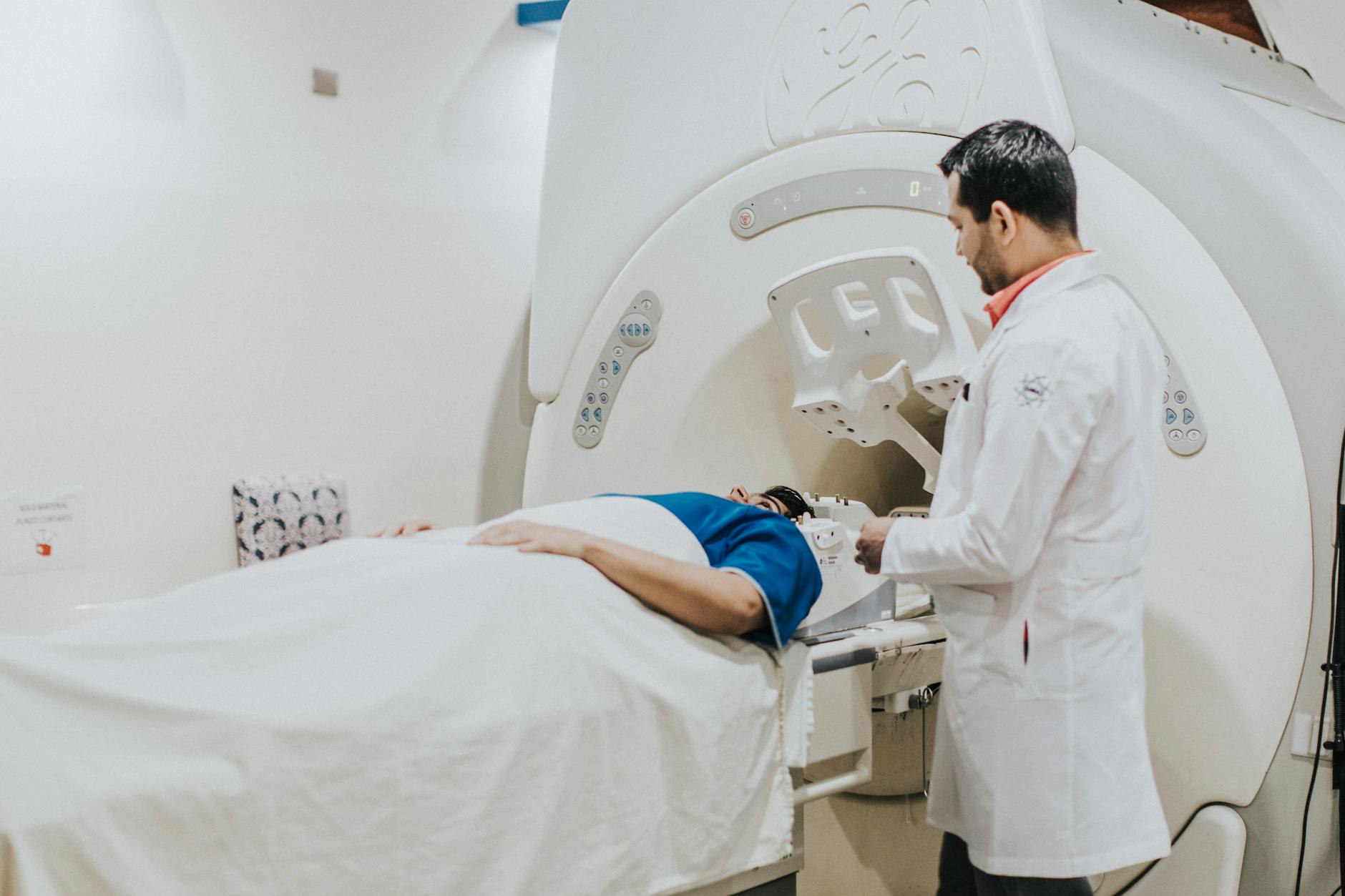
Two studies published this week in Radiology reposition whole-body MRI as a preventive medicine tool. By analyzing the composition of muscle and fat tissue with deep-learning algorithms, researchers were able to estimate individual risk of diabetes, major adverse cardiovascular events and all-cause mortality in still-asymptomatic people. The findings extend the concept of “opportunistic radiology,” in which every imaging exam carries clinical information that goes well beyond the original referral.
The premise is not entirely new. For more than a decade, research has linked the amount and quality of tissues such as skeletal muscle, visceral fat and intramuscular fat to outcomes like cardiovascular disease and metabolic dysfunction. The leap this time lies in scale and automation: convolutional neural networks can segment and measure these tissues across thousands of exams without human intervention, bringing what used to be epidemiology research closer to clinical practice.
Study 1: 66,000 participants from the UK Biobank and NAKO
In the first study, German researchers reviewed whole-body MRI scans from more than 66,000 people enrolled in two large population cohorts: the UK Biobank in the United Kingdom and the German National Cohort (NAKO). The team trained deep-learning algorithms to generate standardized z-scores for several tissue composition metrics, comparing each individual against the population distribution.
The results were striking. High visceral adipose tissue volume yielded a hazard ratio (HR) of 2.26 for incident diabetes — more than double the reference risk. Elevated intramuscular adipose tissue was linked to major adverse cardiovascular events with an HR of 1.54, while low skeletal muscle mass marked all-cause mortality (HR=1.44). These figures rival well-established traditional risk factors, but they are derived from a single imaging acquisition, with no additional blood draws.
The clinical sweet spot of the approach is more personalized risk stratification. Instead of grouping patients by BMI or fasting glucose alone, the radiologist can hand the clinician a detailed tissue profile that flags normal-weight people with high visceral fat or sarcopenic older adults with hidden risk for adverse events.
Study 2: NAKO refines the role of paraspinal fat
The second paper focused on 11,300 NAKO participants who underwent 3T whole-body MRI. The authors zeroed in on two markers recently associated with metabolic dysfunction: paraspinal intermuscular adipose tissue (IMAT) and lean muscle mass (LMM). Increased IMAT correlated with hypertension (HR=1.67) and atherogenic dyslipidemia (HR=1.82). Higher LMM acted as a protective marker in men, with HRs of 0.34 for hypertension and 0.49 for atherogenic dyslipidemia — a substantial risk reduction.
These findings help explain why patients with seemingly normal labs may carry silent intramuscular fat infiltration, a condition increasingly tied to insulin resistance. By non-invasively quantifying that tissue, radiology delivers an early signal that can precede the classic metabolic alteration.
Crucially, the protective effect of higher lean muscle mass in men reframes the discussion around healthy aging. Rather than focusing only on weight loss, preventive cardiology and metabolic clinics may begin to use these imaging-derived metrics to track muscle quality over time, opening a path for personalized exercise prescription validated by quantitative MRI follow-up rather than indirect markers like body weight or grip strength.
Clinical and operational implications for radiology
The practical consequence is direct: services already running whole-body MRI for executive screening, oncology or systemic disease workups can layer structured tissue composition reporting on top. Commercial platforms and research pipelines are starting to include these modules with PACS integration, allowing scores to be reviewed at the same reading station. To follow how similar tools are entering routine practice, see the GE HealthCare view on deep learning in medical imaging and the rise of solutions such as Aidoc, which raised US$150 million to scale radiology AI.
There are also reporting implications: measurements like visceral fat volume, IMAT and skeletal muscle area can be embedded in the radiology report with reference to a population z-score, turning each finding into actionable information. For radiology services, this expands the perceived value of the exam at a time when elective MRIs compete with CT on cost and availability.
Limitations, next steps and broader context
Despite the enthusiasm, the authors acknowledge limitations. Both UK Biobank and NAKO recruited relatively healthy, predominantly white European populations, which limits generalization to more ethnically diverse settings. Algorithms trained on these databases may need recalibration before being applied to local cohorts.
Another point is the need for prospective validation: while the associations are statistically robust, they are still based on observational hazard ratios. Intervention studies must show that adjusting clinical management based on these biomarkers improves hard endpoints, not just intermediate markers. Finally, integrating radiology into preventive medicine demands a cultural shift: clinicians, endocrinologists and cardiologists must learn how to interpret tissue composition z-scores and how to act on them. The trajectory points toward what several imaging leaders are calling population radiology, in which every exam feeds a database that continually refines predictive models.
Source: The Imaging Wire — Imaging Predicts Disease by Analyzing Tissue Composition