
ASRT Workforce Survey: Modest Relief, Not a Cure
The vacancy rate for radiation therapists in the United States dropped to 11.4% in 2026, down from 13.6% two years earlier, according to the latest Radiation Therapy Workplace and Staffing Survey from the American Society of Radiologic Technologists (ASRT). It is a meaningful improvement, yet still well above what most workforce economists would consider a healthy churn — and it leaves managers with a familiar tension between hiring goals and an undersized talent pipeline.
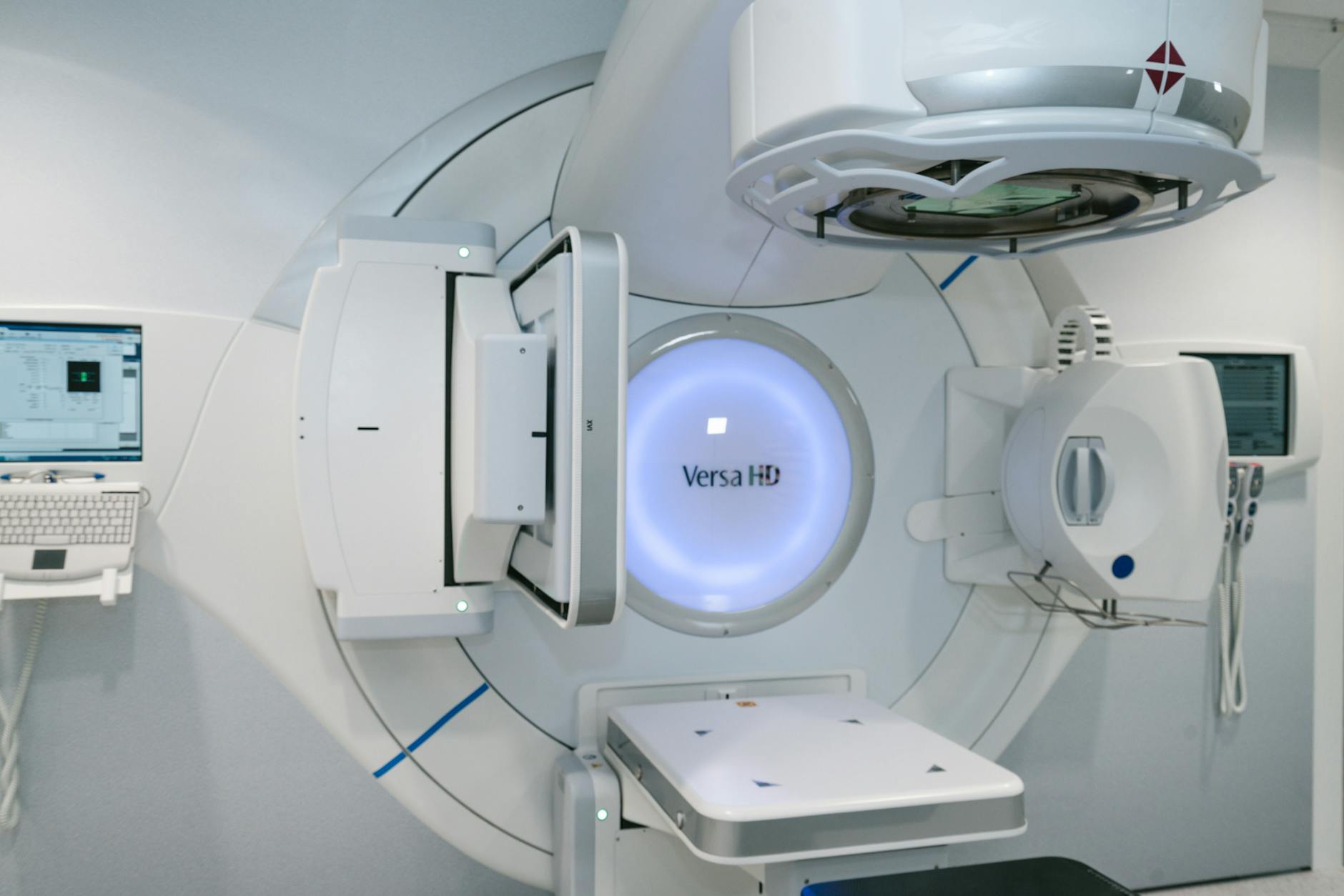
Medical dosimetrists followed a similar curve, with vacancies falling from 9.6% to 6.8%. ASRT defines a vacancy as a position that employers are actively trying to fill — a stricter definition than headcount budgeted but unsought, which makes the trend more reliable as a hiring signal.
What the survey actually measured
ASRT distributed the questionnaire to 23,145 professionals in February 2026 and collected 560 responses by March, a 2.4% response rate, with a margin of error of ±4.1% at a 95% confidence level. The biennial study remains the most cited reference for radiation oncology administrators when planning recruitment, salary benchmarks, and capacity expansions.
Average full-time-equivalent (FTE) staffing per facility shifted only marginally: radiation therapist FTEs slipped from 8.3 to 8.1, while dosimetrist FTEs ticked up from 2.7 to 2.8. Long-term trends, however, are striking — back in 2004 the typical center reported 6.0 therapist FTEs and 1.6 dosimetrist FTEs. The growth reflects how dramatically treatment complexity has expanded, with IMRT, VMAT, SBRT, and hypofractionation reshaping the human resource footprint of a modern department.
“ASRT is leading action to address workforce shortages through work groups from the Consensus Committee on the Future of Medical Imaging and Radiation Therapy, the Be Seen public awareness campaign, and the Planting Seeds outreach initiative, which encourages students to enter the professional pipeline,” said Melissa Culp, M.Ed., R.T.(R)(MR), ASRT executive vice president of member engagement.
Why vacancies fell — and why they remain stubborn
Several forces probably converged. Post-pandemic retirements were partially deferred, compensation packages climbed, and flexible scheduling — including remote dosimetry planning shifts — kept some professionals on the job who might otherwise have walked away. The pattern echoes the recent workflow shift in radiology, where AI is being absorbed into routine practice rather than replacing staff.
Even so, an 11.4% open-position rate is not a relaxed market. By comparison, vacancy rates around 4–5% are typically considered healthy for skilled labor pools. In radiation therapy, gaps translate directly into longer treatment queues, overworked teams, and slower adoption of techniques that require additional credentialing, such as image-guided radiation therapy (IGRT) and AI-assisted planning workflows.
What it means in clinical practice
The operational impact is concrete. Programs expanding capacity must compete for a talent base that has not grown nearly as fast as demand. The result is upward pressure on salaries, sign-on and retention bonuses, and rising adoption of partial outsourcing through remote dosimetry partners. Hospital systems that recently announced large oncology investments are precisely the ones competing hardest for these professionals.
For department directors, the message is twofold. Use the easing market to invest in retention — career-ladder definitions, continuing education stipends, mentoring of newer therapists — before the next technology cycle widens the gap again. Solutions like AI-assisted planning integrated into Varian Eclipse via ESAPI can free up senior staff for the most complex cases, but they do not eliminate the need for trained physical presence in the bunker.
Outlook and limitations
ASRT plans to continue tracking the indicator biennially and to enrich the dataset with demographic and educational background information in the next round. Initiatives like Planting Seeds, aimed at high-school students, are expected to start showing up in radiation therapy program enrollment numbers within the next five years — although whether that translates into clinical FTEs depends on retention, not just admissions.
The 2.4% response rate, while typical for cold-emailed industry surveys, deserves a note of caution: respondents may skew toward administrators and engaged professionals rather than burned-out clinicians who already left the field. Geographic distribution is another open question — vacancy rates in rural and Midwestern centers have historically run several points above coastal academic hospitals, and an aggregated national figure can mask significant local pain. Anyone benchmarking against this 11.4% should adjust for region, payer mix, and case complexity before drawing conclusions.
There is also a quieter takeaway buried in the numbers. Dosimetrist FTEs per facility have nearly doubled since 2004, while therapist FTEs grew by roughly a third in the same period. That divergence reflects the planning-heavy nature of modern radiotherapy: every new IMRT, VMAT, or adaptive plan adds dosimetry hours but only marginally adds linac-side time. Workforce planning that does not account for that asymmetry will keep over-recruiting one role and under-recruiting the other.
Even with all caveats, the 2026 ASRT data points to a measurable easing of the workforce squeeze. It is not a triumph, but it is the first time in several cycles that the trend line is moving the right way — a window worth using before the next wave of automation, capacity expansion, and rising case volumes redefines the equation again.
Source: DOTmed — ASRT survey finds modest decline in radiation therapy vacancies