
Dosimetry in the Goiânia Accident: A Multi-Technique Challenge
Dosimetry in the Goiânia radiological accident pushed radiation measurement science to its limits. From the moment authorities identified the caesium-137 contamination in September 1987, it became clear that many individuals had been irradiated through various combinations of external beam exposure, skin contamination, and internal deposition. For the full story, see our comprehensive guide to the Goiânia radiological accident.
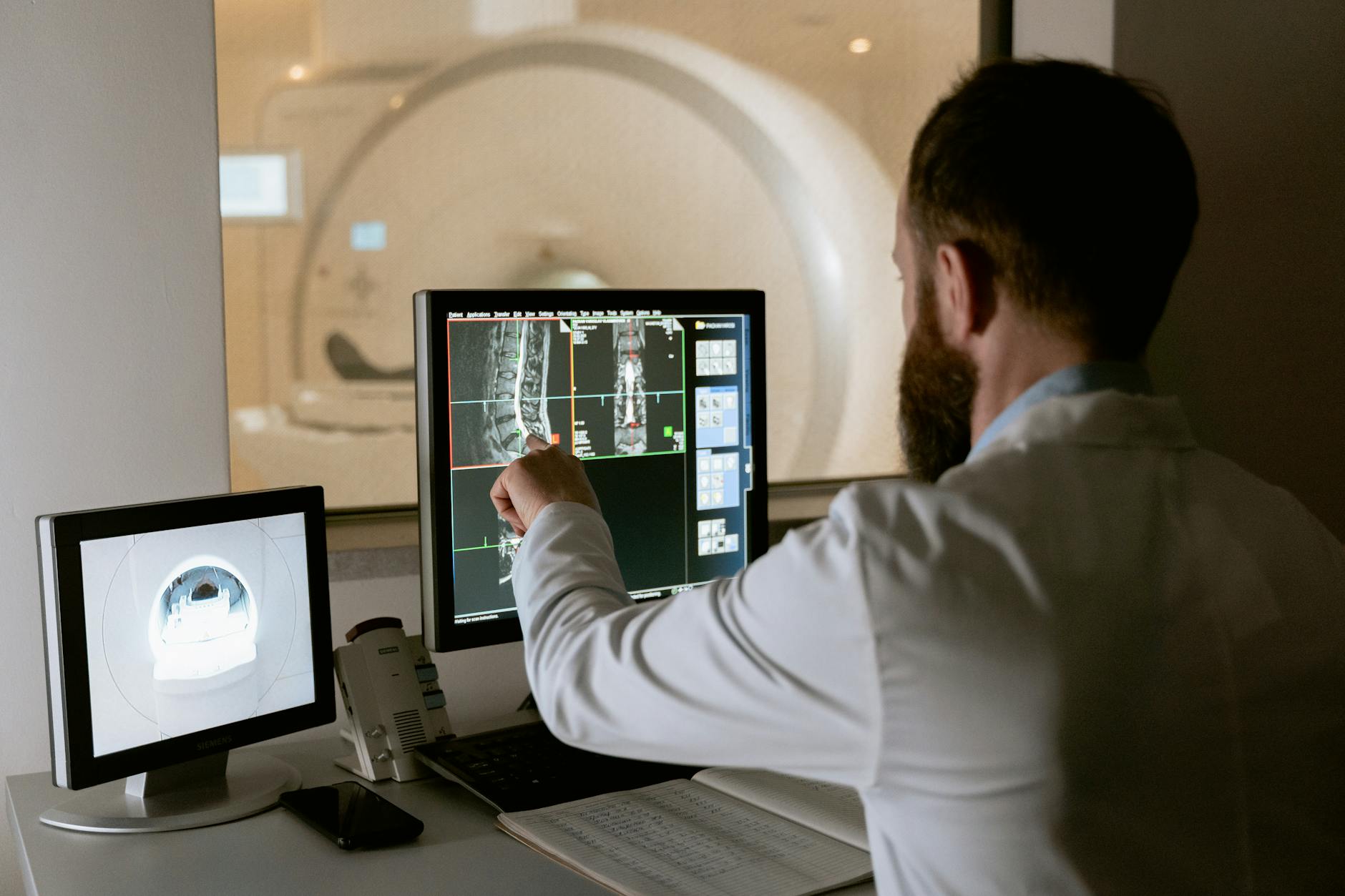
Three principal techniques were deployed: internal dosimetry through bioassay and whole body monitoring, cytogenetic dosimetry via chromosomal aberration analysis, and external dosimetry based on scenario reconstruction and observed biological effects. Each approach faced significant practical constraints — from laboratories designed for low-activity routine samples suddenly handling intensely radioactive specimens, to the difficulty of disentangling external irradiation from the continuous dose delivered by internally deposited caesium-137.
In This Article
Internal Dosimetry: Bioassay and Whole Body Counting
Potential internal contamination pathways included inhalation, ingestion, and wound absorption. Air monitoring data subsequently confirmed that inhalation was not a major route. The immediate action focused on estimating caesium-137 intakes by monitoring urine and faecal samples.
The sheer intensity of the contamination created operational hurdles. At the prevailing radioactivity levels, samples had to be collected with extreme care to prevent cross-contamination. Specimens were gathered in Goiânia and flown to the IRD (Institute for Radiation Protection and Dosimetry) laboratory in Rio de Janeiro. Many initial samples were so radioactive that a portable dose rate meter yielded high readings — this simple screening method served both for hospital patient triage and for flagging samples requiring special handling.
Caesium-137 standards were prepared specifically for urine and faecal bioassay. An unexpected need arose when internally contaminated babies were identified: a phantom for disposable nappies had to be developed — something unprecedented in the radiological protection literature.
In early November 1987, a whole body counter specifically designed for measuring the high dose rates of Goiânia patients was installed at the Goiânia General Hospital. Internally contaminated individuals were periodically monitored, at a frequency dependent on each person’s caesium intake and decontamination treatment. Three patients from the Marcílio Dias Naval Hospital in Rio de Janeiro were measured at IRD’s whole body monitoring facility before returning to Goiânia, and the results were consistent with those obtained at the improvised Goiânia facility.
Age-Specific Modeling and Committed Dose
Because people of a broad age range had been contaminated — from newborns to adults — the team adopted age-specific modeling to provide physicians with clinically relevant data: caesium intakes, excretion rates, and committed dose profiles over various time periods.
The model was based on reports from Oak Ridge National Laboratory (ORNL-TM-8265 and ORNL-TM-8385). Models were produced for six biotypes: newborn, one-year-old, five-year-old, ten-year-old, 15-year-old, and adult. The table below shows the variation in the 70-year committed dose from a single uptake of caesium-137, without Prussian Blue administration.
70-Year Committed Dose per Unit Uptake of Cs-137
These values illustrate how physiology at each life stage affects retention and the resulting dose.
| Biotype | Percentage remaining after 15 days | Committed dose (Gy·Bq⁻¹) |
|---|---|---|
| Newborn | 66.7% | 3.85 × 10⁻⁸ |
| One year old | 44.5% | 7.82 × 10⁻⁹ |
| Five years old | 54.7% | 7.13 × 10⁻⁹ |
| Ten years old | 61.1% | 7.22 × 10⁻⁹ |
| 15 years old | 74.5% | 9.76 × 10⁻⁹ |
| Adult man | 82.1% | 9.94 × 10⁻⁹ |
| Adult woman | 82.1% | 8.22 × 10⁻⁹ |
Source: The Radiological Accident in Goiânia, IAEA, 1988 (Table III)
A striking finding: the newborn biotype shows the highest committed dose per unit activity — roughly four times higher than an adult. This reflects lower body mass and accelerated metabolism. Conversely, children aged 1 to 5 retain less caesium at 15 days, reflecting a shorter biological half-life in these age groups.
Prussian Blue and the Acceleration of Decorporation
The Goiânia accident produced the highest levels of internal caesium-137 contamination ever recorded clinically. Among the approximately 112,000 people monitored, 249 showed external contamination. External decontamination worked well for those with little or no internal contamination, but in patients with significant internal deposits, sweating caused continuous skin recontamination.
The highest individual dose rate from internally deposited caesium-137 was accumulating at an initial rate of 0.25 Gy per day — an alarming figure demanding immediate intervention.
Prussian Blue (Radiogardase®) was administered to 46 persons. Doses ranged from 1 g/day to 10 g/day. The initial adult dose was 3 g/day in three equal portions. For patients whose intakes exceeded five times the annual limit of intake for caesium-137, the initial dose ranged from 4 to 6 g/day. Children initially received 1.0 to 1.5 g/day.
Radiochemical analyses showed that increasing the Prussian Blue dose raised faecal radioactivity. Whole body measurements confirmed that higher doses accelerated decorporation. Under normal physiology, caesium is eliminated predominantly through urine (80% urine, 20% faeces). Prussian Blue reversed this ratio: in some patients, the faeces-to-urine ratio reached 4:1.
Following these results, the most severely contaminated adults and adolescents received 10 g/day in eight to ten equal doses, while children were given 3 g/day in three doses.
Since no prior data existed on such high Prussian Blue doses, the medical teams carefully monitored for side effects. Serum potassium levels were evaluated routinely twice weekly. No significant variations were found. The only apparent side effect was constipation in a small number of patients, managed with dietary adjustment and laxatives.
Diuretics: An Approach That Failed
Seventeen patients received diuretics — furosemide (40 mg/day) or hydrochlorothiazide (50–100 mg/day) orally — as a supplementary attempt to accelerate caesium elimination. Six of these patients already required diuretics for hypertension. However, urinary analysis data demonstrated the ineffectiveness of diuretics for decorporating caesium-137, and their administration was discontinued. For more on the overall medical management, see our article on the medical response to the Goiânia accident victims.
Cytogenetic Dosimetry: Chromosomal Aberrations
Chromosomal aberration analysis was an essential tool for estimating radiation doses in the most severely exposed patients. Cytogenetic techniques indicated that doses among patients hospitalized at the Marcílio Dias Naval Hospital in Rio de Janeiro ranged from 1 Gy to 7 Gy.
These estimates, although complicated by continuous irradiation from internally deposited caesium-137, proved useful for prognosis and for anticipating clinical management problems associated with bone marrow depression. In practice, medical management was based on each patient’s clinical course rather than predominantly on cytogenetic dosimetry — a pragmatic decision given the scenario’s complexity.
Four patients who received granulocyte-macrophage colony-stimulating factor (GM-CSF) died with estimated doses of 4–6 Gy, complicated by haemorrhage and infection. The four GM-CSF survivors had lower estimated doses (2.5–4.4 Gy). Notably, two patients with high doses (6.2 and 7.1 Gy) who did not receive GM-CSF survived despite severe bone marrow depression.
External Dosimetry: Reconstruction and Biological Effects
External dosimetry relied on exposure scenario reconstruction and evaluation of observed biological effects. Radiation-induced skin injuries were observed in 19 of the 20 hospitalized patients. Radiological surveys over skin lesions showed dose rates up to 15 mSv/h, and a six-year-old girl showed an average dose rate of 3 mSv/h on skin contact.
Lesion progression provided valuable dosimetric information. Initially, patients exhibited swelling, erythema, bronzing, dry desquamation, and blistering. By 12 October, lesions showed drying, sloughing of necrotic skin, and re-epithelialization — confirming superficial beta irradiation injury. About three weeks later, deep lesions appeared in ten patients, indicative of gamma damage to deeper tissues.
Blood pool imaging at the Marcílio Dias Naval Hospital helped determine the demarcation between injured and normal arterioles — information that guided the decision for amputation in one patient on 15 October. To understand how the accident unfolded and the initial discovery and response, see the dedicated articles.
The Scale of Internal Contamination
To appreciate the dosimetric operation’s magnitude: approximately 112,000 people were monitored in Goiânia. Daily urine and faecal samples from hospitalized patients generated an unprecedented analytical volume. All body fluids and excreta had to be collected and stored for analysis, with strict contamination and exposure control measures maintained throughout the three months of hospitalization.
The accumulated dose to medical staff remained below 5 mSv over the entire period of patient care — a testament to the effectiveness of the radiation protection protocols adopted under extraordinary conditions.
Lessons for Radiological Emergency Dosimetry
The Goiânia accident demonstrated that dosimetry in large-scale radiological emergencies demands flexibility, improvisation, and a multimodal approach. No single technique sufficed: bioassay provided quantitative intake data, cytogenetics estimated whole-body doses, and scenario reconstruction filled the gaps.
The need for age-specific dosimetric models — seemingly obvious today — was a direct contribution from the Goiânia experience. Similarly, the large-scale validation of Prussian Blue as a decorporation agent at doses far exceeding those previously studied established protocols that remain international references.
For radiation protection professionals, Goiânia’s dosimetric legacy extends beyond numbers: it reinforces that reference laboratories must be able to scale rapidly, that paediatric phantoms need to be available, and that integrating clinical and dosimetric data is indispensable for guiding treatment. These are lessons that every radiological emergency plan should incorporate.