

Evidence Supports Ablation as a Safe Alternative to Partial Nephrectomy
A new study demonstrates that percutaneous ablation is as effective as surgery for treating small kidney cancers, adding significant evidence to the debate over the optimal approach for early-stage renal cell carcinomas. The findings reinforce the growing role of interventional radiology as a minimally invasive alternative to partial nephrectomy, with potential benefits in renal function preservation and shorter recovery times.
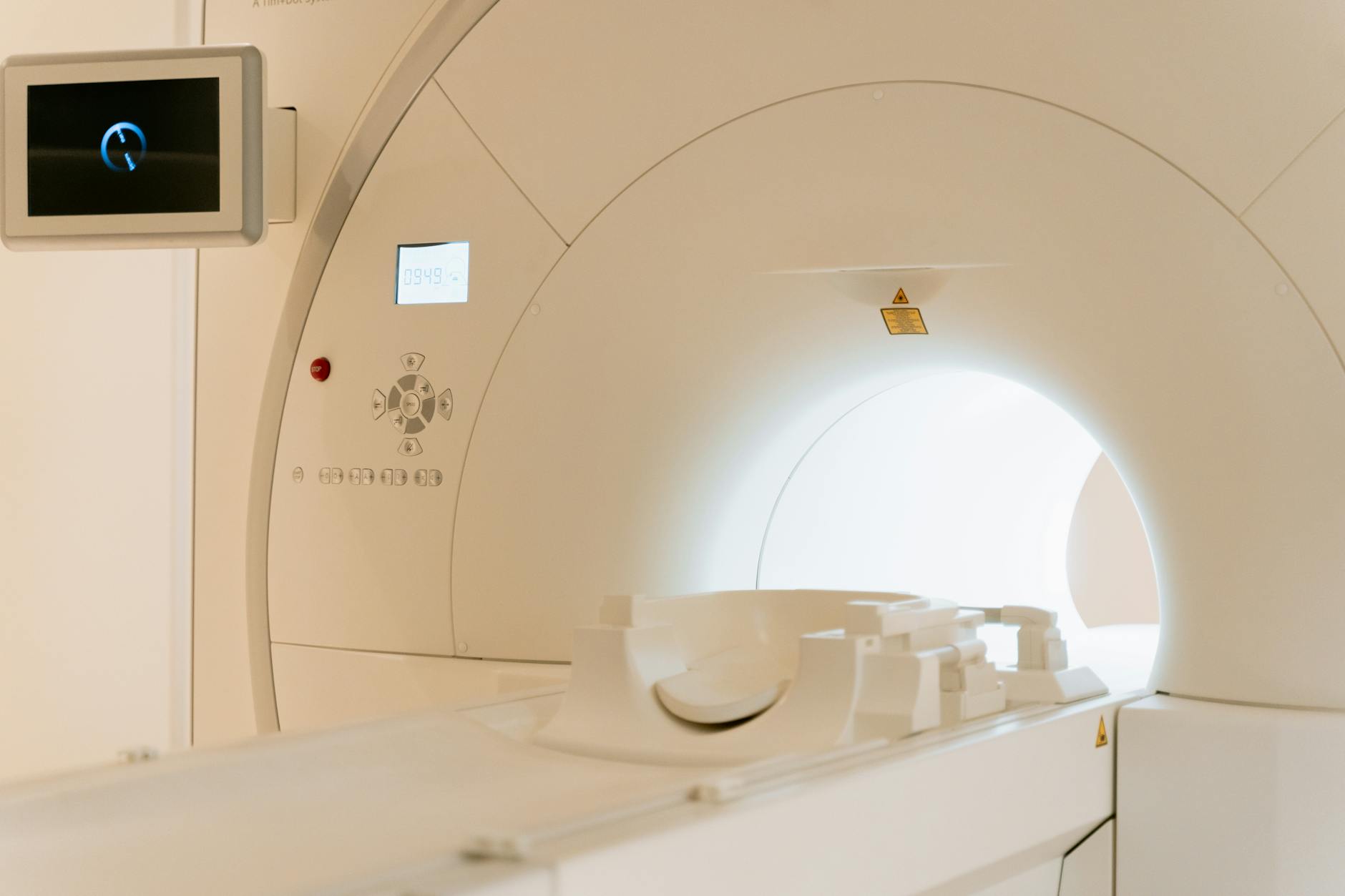
Small renal masses — generally defined as tumors smaller than 4 cm (stage T1a) — represent a growing proportion of kidney cancer diagnoses, largely due to increased use of imaging studies such as CT and ultrasound for other indications. Many of these tumors are discovered incidentally, raising questions about optimal treatment, a topic connected to AI’s role in managing incidental radiological findings.
Available Ablation Techniques
The main ablation modalities used for renal tumors include cryoablation and radiofrequency ablation (RFA), with microwave ablation (MWA) gaining ground more recently. Each technique offers specific advantages.
Cryoablation uses argon gas to create an ice ball that destroys tumor tissue through freezing. The ablation zone can be visualized in real time via CT or MRI, enabling precise monitoring during the procedure. Radiofrequency generates heat through alternating current, while microwaves produce higher temperatures in less time.
All these techniques share a fundamental advantage: they are performed percutaneously, guided by imaging (typically CT), without the need for significant surgical incision. Patients are typically discharged the same day or the following day, compared to the 2-4 day hospitalization associated with laparoscopic or robotic partial nephrectomy.
Advantages of the Minimally Invasive Approach
Beyond comparable oncologic efficacy, percutaneous ablation offers several practical advantages. Renal function preservation is among the most relevant: because ablation destroys less healthy renal parenchyma than surgery, patients with solitary kidneys, borderline renal function or comorbidities contraindicating general anesthesia are particularly suitable candidates.
The complication profile is also generally more favorable. The most common ablation complications — self-limiting perirenal hematoma and transient pain — are typically less severe than potential surgical complications such as significant bleeding, urinary fistula or injury to adjacent organs.
Growing Role of Interventional Radiology
For centers investing in interventional radiology, these results reinforce the importance of developing structured renal ablation programs. The learning curve exists, but the combination of precise image guidance and modern ablation technology makes the procedure accessible to interventional radiologists with adequate training.
The trend toward convergence between robotics and thermal ablation, exemplified by the recent NeuWave acquisition by Quantum Surgical, suggests these technologies will continue evolving in precision and accessibility.
Future Outlook
Continued advances in ablation techniques, combined with increasingly precise image guidance and AI’s potential for treatment planning, suggest percutaneous ablation will continue gaining ground as the treatment of choice for small renal tumors. Long-term prospective studies will be essential for consolidating this evidence and eventually updating clinical practice guidelines.
Source: AuntMinnie