
Multimodal AI Achieves Promising Accuracy in Pelvic CT Analysis
Researchers from Shengjing Hospital at China Medical University have demonstrated that OpenAI’s GPT-4o model can assist in early ovarian cancer diagnosis from pelvic CT images, achieving diagnostic accuracy of up to 93.3% when differentiating between benign and malignant lesions.
Study Details and Methodology
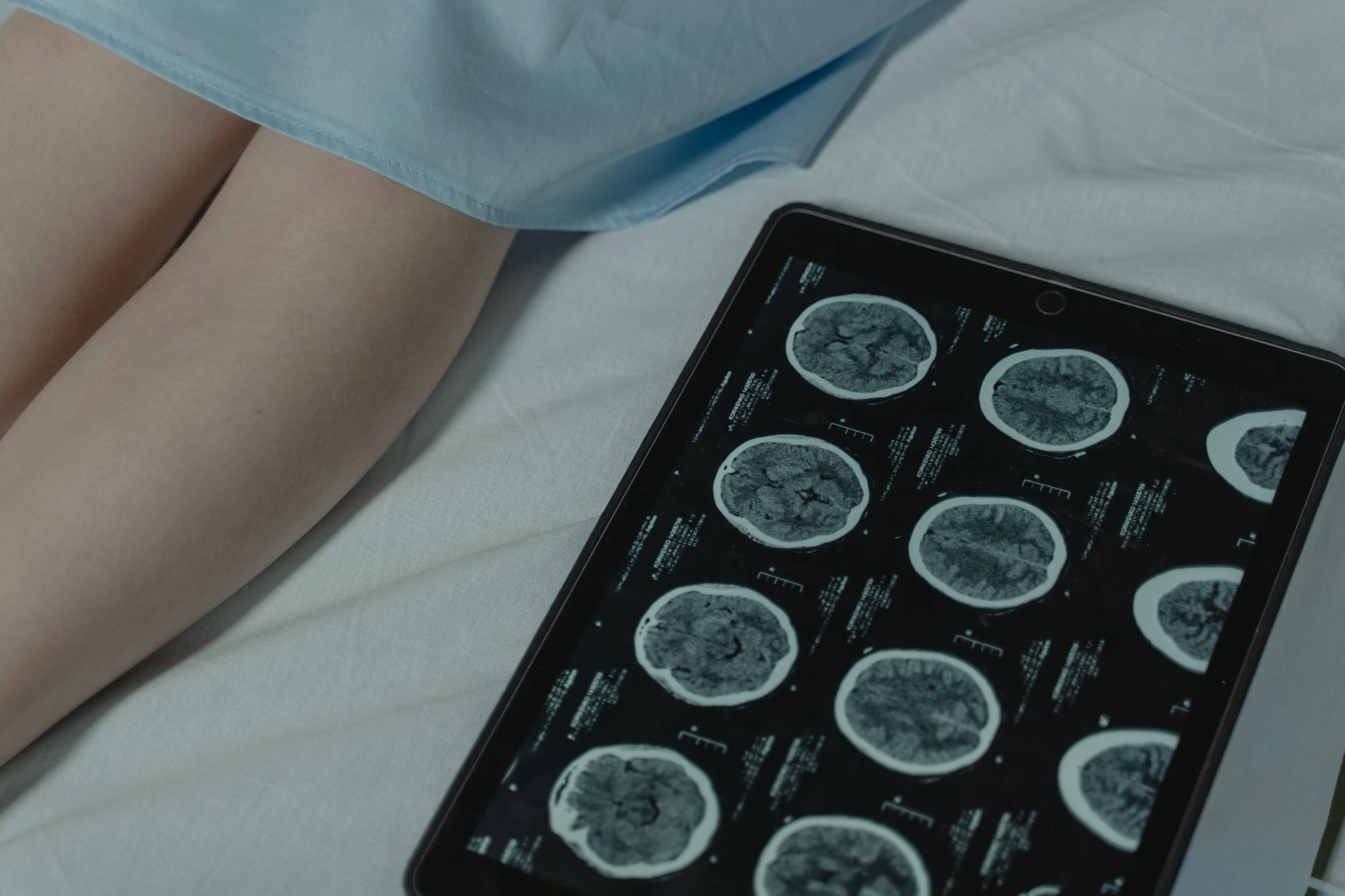
The research, led by Shimin Zhang, MD, analyzed data from 479 patients. GPT-4o was tested across three distinct datasets evaluating its ability to identify ovarian lesions, recognize key CT features, and differentiate between benign and malignant diagnoses. Results showed accuracies of 80.8%, 79.1%, and 93.3% respectively across the three evaluations.
According to the authors, “GPT-4o identifies the key CT features of ovarian cancer and achieves promising diagnostic accuracy with high-quality diagnostic evidence.” The model demonstrated the ability to recognize patterns such as contour irregularities, heterogeneous enhancement, and solid components within complex ovarian lesions.
A significant advantage of this approach is that GPT-4o functions as a multimodal model, simultaneously processing clinical text and medical images, enabling contextualized analysis that considers both the visual characteristics of CT scans and the patient’s clinical history.
The Challenge of Early Ovarian Cancer Detection
Ovarian cancer remains one of the most lethal gynecological tumors. More than half of cases are still diagnosed at metastatic stages, contributing to a five-year survival rate of just 31.4%. In contrast, when disease is confined to the ovaries, five-year survival exceeds 90%. This dramatic disparity highlights the critical importance of early detection.
CT interpretation for ovarian lesions depends heavily on the radiologist’s experience and is affected by high interobserver variability. In this context, AI tools like GPT-4o can serve as a digital “second opinion,” similar to other AI systems already approved for cancer screening, helping identify suspicious findings that might otherwise be missed.
Implications for Radiological Practice
For radiology professionals, the study opens interesting perspectives on using multimodal language models as diagnostic support tools. Unlike traditional CAD systems trained for specific tasks, GPT-4o offers the advantage of generating descriptive reports and justifications for its conclusions, increasing transparency. The evidence continues to show that AI works best as a support tool rather than a replacement for radiologists.
Future Perspectives
With further validation across diverse populations, GPT-4o and similar models may represent an innovative approach to early ovarian cancer detection, potentially transforming the diagnostic landscape. Future research will likely investigate integrating these models into radiological workflows with specific protocols for triage and prioritization of suspicious cases.
Source: AuntMinnie