
Biggest Radiology Deal in the Pacific in a Decade
Private equity firm Permira announced on May 26, 2026 the sale of I-Med Radiology Network — Australia’s largest diagnostic imaging provider — to Hong Kong-based conglomerate Jardine Matheson for $2.4 billion. The buyer will take 100% ownership of the company, which had previously considered an IPO as an alternative path. For the sector, this is the largest consolidation move in the Pacific since 2018, and it carries implications well beyond the purchase price.
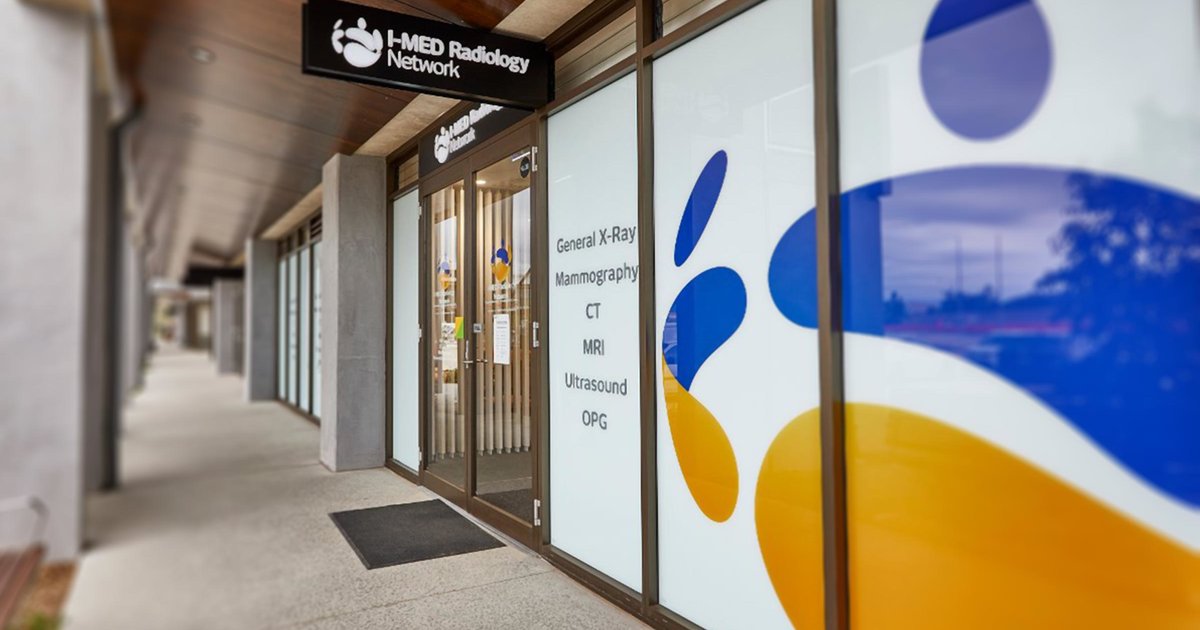
Founded in 2000, I-Med runs 215 diagnostic imaging centers across Australia and New Zealand, with annual volume of roughly 7 million procedures. The network also includes the U.S. operation StatRad, acquired in 2024 — then America’s second-largest teleradiology provider — and a minority stake in Harrison.ai, an AI vendor I-Med has co-invested with via joint venture since 2019.
Why the Valuation Holds Up
Jardine is paying approximately 11.5 times adjusted EBITDA for the trailing 12 months ending June 2026, excluding the Harrison.ai stake. That is a strong multiple for healthcare services, justified by recent compound growth: in the five months to June 2025, I-Med delivered 11% revenue growth and 12% adjusted EBITDA growth. Permira had bought the company in 2018 for around $900 million — translating to a return of roughly 39% on the original investment.
Lincoln Pan, CEO of Jardine Matheson, framed the transaction as a long-term bet. “I-Med is already a market leader in radiology today, and with Jardine’s support, we expect the business will expand further in I-Med’s core markets as well as new markets,” he said. The buyer plans to fund the deal with a combination of cash and debt.
The AI Angle: The Harrison.ai Joint Venture
What distinguishes I-Med from peers of similar size is deep clinical AI integration. The Harrison.ai joint venture, launched in 2019, has produced AI tools for chest x-ray, mammography and neuroradiology. Permira itself described I-Med as “one of the earliest and most ambitious adopters of artificial intelligence in radiology globally.”
That logic is not exclusive to the Australian market. As we discussed in our analysis of AI performance in chest radiography, networks combining high volume with mature AI governance can train more robust models and reduce clinical risk. For Jardine, buying I-Med also means acquiring an industrial-scale pipeline of radiology AI — something that is hard to replicate from scratch.
Sector Implications
Three immediate effects should ripple across the industry. First, pressure for consolidation in other markets: institutional investors will start looking at networks with profiles similar to I-Med (volume + AI + teleradiology) at higher valuation expectations. Second, strengthening of cross-continental teleradiology: combining StatRad in the U.S. with I-Med in Oceania creates a reading pool available across complementary time zones — which could accelerate contracts with hospitals in Europe and North America.
Third, AI radiology will harden as a competitive differentiator. Harrison.ai remains an independent company, but its relationship with I-Med — now under Jardine — could accelerate product cycles and distribution into emerging markets. For health-system leaders evaluating AI partnerships, it is a signal that the competitive landscape is concentrating around a handful of global consolidators.
Strategic Context: From Sydney to Hong Kong
The buyer, Jardine Matheson, is one of Asia’s oldest conglomerates, with historic presence in transport, retail, property and, more recently, healthcare. The I-Med deal marks Jardine’s largest bet in medical imaging. “I-Med is a business that has embraced AI and technology without losing sight of what makes it special, which is the quality and trust of its clinical relationships,” said Silvia Oteri, partner and global head of healthcare at Permira.
The transaction is expected to close by the end of 2026, subject to regulatory approval. For radiologists worldwide following the global trend, the takeaway is unmistakable: institutional capital, AI and scale are concentrating in a handful of large platforms, and that is going to reshape who supplies technology, who issues contracts, and where career opportunities flow over the next decade. In markets such as Brazil, India and Mexico, mid-sized networks will need to decide whether to seek partnerships, mergers or clinical-niche differentiation.
What to Watch Over the Next Months
Three indicators will reveal whether Jardine’s thesis plays out. First, the pace of I-Med’s M&A activity outside Oceania — particularly in Southeast Asia and the Middle East, regions where Jardine already runs relevant operations. Second, the timeline for full StatRad integration into the U.S. teleradiology workflow: today the American asset operates relatively autonomously, and capturing synergies depends on state-by-state regulatory licensure. Third, the evolution of the Harrison.ai stake — whether Jardine increases its ownership or uses the relationship to license technology into other geographies.
Source: Radiology Business — Private equity firm selling radiology network for $2.4B