
The radiology report is shifting from a block of text into an interactive document, with images, measurements and links that connect each finding to its exact location in the exam. This model — interactive multimedia reporting (IMR) — is gaining ground as traditional dictation platforms approach end-of-life.
What interactive multimedia reporting is
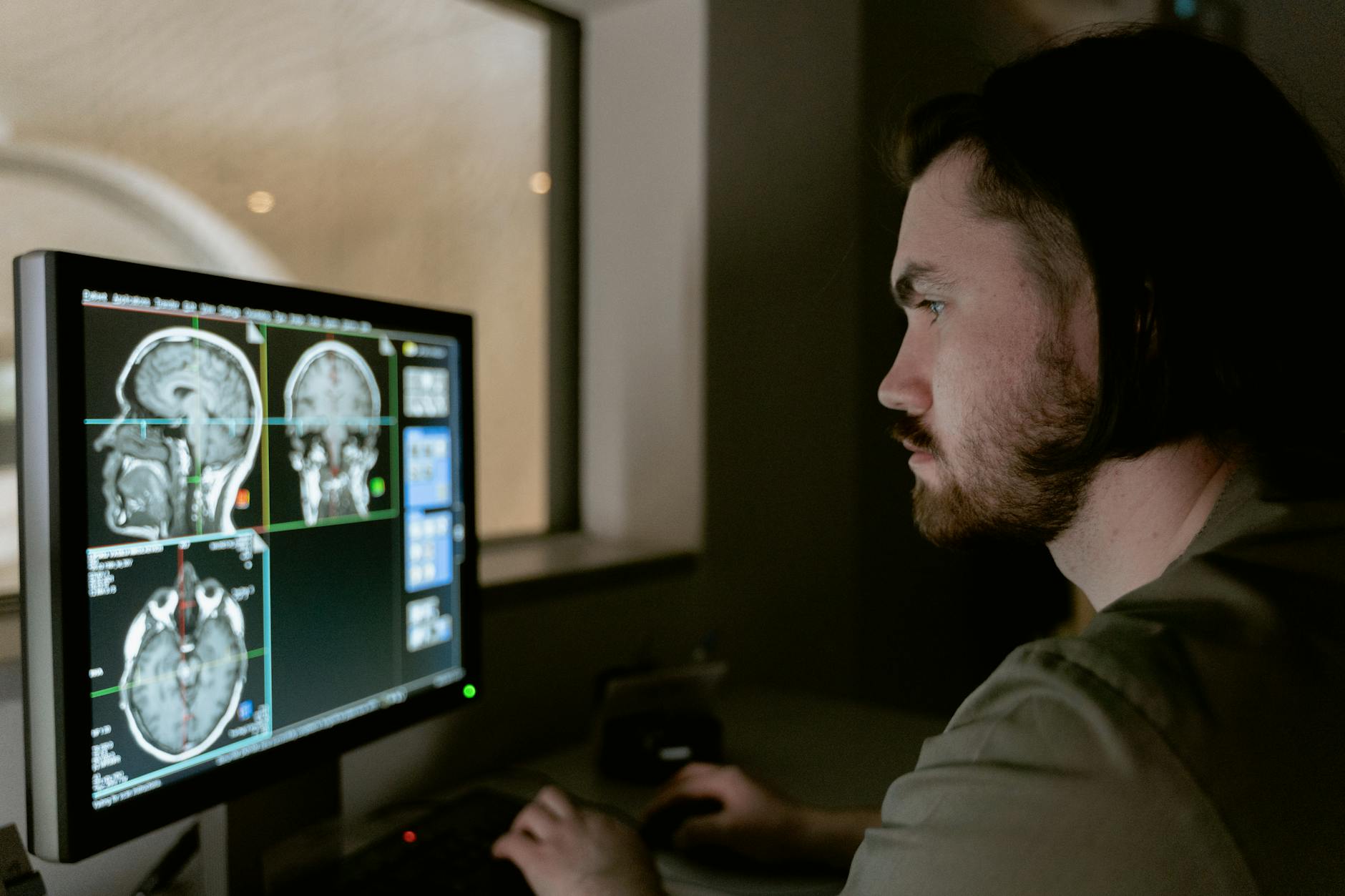
In the traditional report, the radiologist describes findings in text, and the referring physician has to mentally reconstruct the image from words. IMR changes that logic: the report incorporates key images, measurements and hyperlinks that jump directly to the slice and series where the finding lives. A click on the phrase “nodule in the right upper lobe” opens exactly the corresponding image.
In practice, the document stops being an isolated narrative and becomes a navigable interface between the report and the imaging study. The IHE IMR profile, released in 2024 for experimental implementation, standardizes precisely how this interactive content is encoded, communicated and presented across systems.
From standardization to multimedia reporting
IMR does not appear out of nowhere: it is the natural evolution of structured reporting, which had already been replacing free text with standardized fields and controlled lexicons such as RadLex and categorization systems like BI-RADS and Lung-RADS. These standards organize information and reduce variability between radiologists.
Multimedia reporting adds a visual, navigable layer to that structure. Instead of merely recording “BI-RADS 4 lesion,” the report links that category to the exact image, the measurement and the comparison with prior exams. It is the convergence between the semantics of structured reporting and the visual richness of the image.
What the data show
The productivity evidence is concrete. In surveys of radiologists, 69% reported “almost always” using the automatic insertion of comparison exams into the report, with a perceived saving of about 12.4 seconds per report. In addition, 86% said they insert hyperlinks to important findings in the majority of MRI, CT and PET reports, with a perceived average saving of 8.9 seconds per hyperlink, thanks to automated insertion of data such as measurements and image/series numbers.
Reception is enthusiastic: a large majority of radiologists — 96%, with 90% strongly — prefer reviewing prior reports using the hyperlinks in a multimedia report. Providing images alongside the text saves time, increases physicians’ confidence in treatment decisions and can even alter management. For a referring clinician scanning dozens of reports a day, that immediacy matters.
PowerScribe 360’s end-of-life accelerates the shift
The discussion gained urgency with a market move: Microsoft is discontinuing PowerScribe 360, the dictation platform that dominated radiology for years. Maintenance renewals are set to end in August 2026, with full support ending in 2027, and the company recommends migrating to the cloud-based PowerScribe One.
This end of cycle opens the door for services to reassess their reporting tools — and IMR emerges as a competitive differentiator. Vendors such as Philips have been positioning their multimedia reporting solutions in that gap, much as we have seen the integration of native reporting into the radiologist’s cockpit gain traction among the alternatives.
Implications for practice
For radiologists, IMR promises to cut clicks and repetitive tasks by anchoring findings directly in the image. For referring physicians, it means understanding the report faster and with less ambiguity — a communication gain that translates into safer decisions. For the service, it is a chance to standardize structured reports, the foundation for auditing, research and integration with artificial intelligence.
That last point is strategic: algorithm-generated findings — as in automated pulmonary embolism detection — can be anchored directly in the multimedia report, with the corresponding measurement and image. The interactive report thus becomes the natural meeting point between human and AI-assisted reading.
The challenges of adoption
Not everything is simple. The biggest barrier is interoperability: for hyperlinks and images to work in any viewer, PACS, RIS and the reporting system must speak the same language. Without an open standard, multimedia reporting risks being locked to a single vendor.
There is also the learning curve and the fear that new steps will slow the workflow. The data suggest the opposite — seconds saved per finding — but adoption still requires training and well-managed workflow adjustments. Crucially, the payoff scales with volume: in a high-throughput department, a few seconds saved on every comparison and every hyperlink add up to meaningful capacity over a full reporting day.
Outlook and the broader picture
In many services that still rely on purely text-based reports and heterogeneous PACS, adopting IMR will depend on interoperability and integration with the installed RIS/PACS. The IHE IMR profile helps by offering an open standard. As the forced transition away from PowerScribe 360 pushes the market toward modern solutions, multimedia reporting is expected to move from a large-center luxury to a standard — benefiting radiologists, referrers and, ultimately, the patient.
Source: AuntMinnie