
Olympus Doubles Down on Urologic Oncology
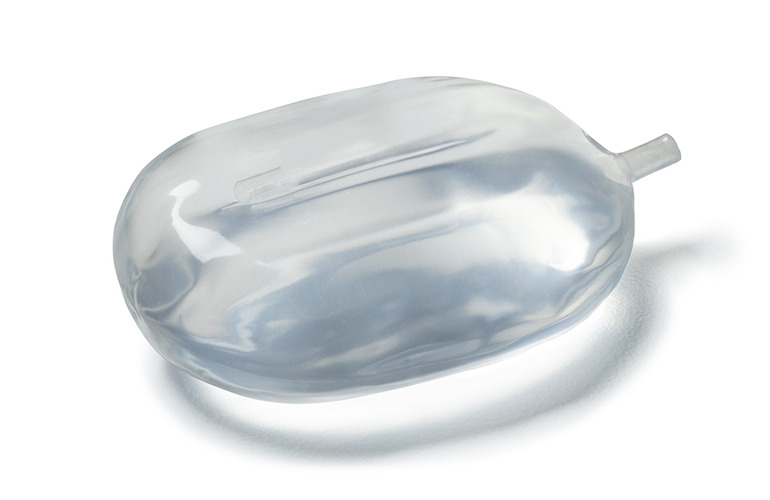
Japan-based Olympus announced on May 27, 2026 a definitive agreement to acquire Israeli medical device manufacturer BioProtect for $270 million. The transaction is expected to close by the end of the second quarter, pending customary regulatory clearance. With the deal, Olympus folds into its portfolio the Balloon Spacer system — a biodegradable rectal spacer used during prostate cancer radiation therapy to reduce dose exposure of adjacent organs.
For clinicians working in radiation oncology, the move signals an accelerated push by Olympus into therapeutic areas adjacent to endoscopy, with an emphasis on gastrointestinal and urological care. The company cited prostate cancer as one of the most commonly diagnosed cancers in men globally, and pointed to sustained growth projections for the rectal spacer market over the next decade.
What the Balloon Spacer Does
The Balloon Spacer is implanted between the prostate and the anterior rectal wall before external-beam radiation sessions. The objective is to create a physical 1.0–1.5 cm separation zone that lowers the dose received by rectal mucosa without compromising target coverage. After treatment, the implant biodegrades naturally — no surgical removal is needed.
BioProtect reports the device has been used in more than 11,000 procedures since its commercial launch in 2023. The practical clinical benefit is clear: reducing rectal dose lowers the risk of radiation proctitis, late bleeding and bowel dysfunction — toxicities that historically degrade quality of life after treatment, even when the disease itself is well controlled.
Why the Market Is Growing
Rectal spacers have gained traction alongside the rise of hypofractionated radiotherapy and SBRT for prostate cancer, where higher per-fraction doses demand millimetric geometric precision. Recent literature, including discussions of prostate SBRT, shows that ultra-hypofractionated schemes — five fractions of around 7.25 Gy — only became safe thanks to image-guided radiation therapy (IGRT), IMRT/VMAT planning and, now, physical separation of the rectum. The Balloon Spacer fits as a component of that ecosystem.
Until now, the rectal spacer market was dominated by Boston Scientific’s SpaceOAR hydrogel. Olympus’s entry with BioProtect’s balloon-based design introduces a real competitor and is expected to put pressure on pricing while diversifying clinical options. For radiation oncology departments that have not yet adopted spacers, this is a strategic moment to re-evaluate planning protocols and reimbursement strategies.
Implications for Clinical Practice
For radiation oncology services, Olympus’s arrival in the segment opens three practical fronts. The first is training: spacer placement is performed by urology or interventional radiation oncology under transrectal ultrasound guidance and carries a learning curve. The second is dosimetry: spacer use changes rectal dose-volume histograms and requires radiotherapy replanning after implantation. The third is health economics: hospitals that integrate spacers tend to reduce rates of grade 2+ rectal toxicity and the associated downstream cost of managing complications.
Adoption patterns differ widely by country. In the United States and parts of Europe, spacer placement is increasingly the standard of care for SBRT prostate protocols, while in Latin America and large public systems uptake remains uneven. Olympus’s distribution muscle could help close that gap by expanding reimbursement coverage and surgeon training programs internationally.
Corporate Strategy and Outlook
Seiji Kuramoto, executive officer and Surgical and Interventional Solutions Division head at Olympus, described BioProtect as bringing “a highly differentiated solution to prostate cancer care, with a compelling clinical value proposition and early commercial success.” BioProtect, founded in 2004 and employing about 130 people in Israel, reported approximately $14.5 million in revenue in 2025. Part of the payment will be held in escrow tied to continued business operations.
The move tracks a broader industry pattern: traditional makers of diagnostic and surgical equipment are buying companies focused on therapeutic devices adjacent to radiation therapy, increasing the average revenue per oncology patient treated. The next 18 months will reveal whether Olympus integrates the Balloon Spacer into its global urology and oncology platform or keeps BioProtect as a semi-autonomous brand. For radiation oncologists worldwide, the takeaway is straightforward: another major industrial vector is pushing spacers toward the standard-of-care category in prostate radiotherapy, and departments that have not yet incorporated the technology should expect mounting pressure from patients, payers and referring urologists.
What to Watch Next
Three indicators will define whether the acquisition succeeds beyond the purchase price. The first is regulatory: how quickly Olympus uses its global registration network to clear the Balloon Spacer in markets where BioProtect had limited presence, particularly across Latin America, Southeast Asia and the Middle East. The second is clinical evidence: BioProtect’s pipeline of comparative trials versus hydrogel spacers will need to mature with prospective data on grade 2+ toxicity reduction, biochemical control and patient-reported outcomes. The third is integration with planning systems: spacer-aware contouring and dose-volume metrics need to become standard inside major TPS platforms used in IMRT, VMAT and SBRT workflows.
For now, the deal closes a clear gap in Olympus’s oncology strategy and gives radiation oncologists a credible second supplier in a niche where supply concentration has been a real concern. The next quarterly earnings call from Olympus should clarify how aggressively the company plans to market the device — and whether bundled offers combining endoscopy hardware and the Balloon Spacer will reshape competitive dynamics in urologic oncology.
Source: DOTmed — Olympus to acquire BioProtect in $270 million deal focused on prostate cancer care