
New Artis Systems Integrate AI for Interventional Procedures
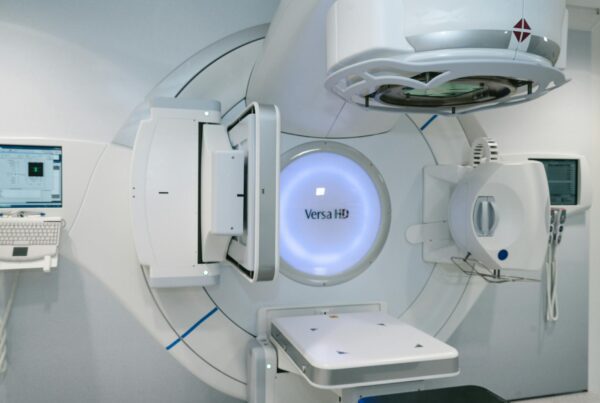
Siemens Healthineers presented at ECR 2026 a new set of angiography platforms incorporating artificial intelligence to support embolization procedures, including liver cancer treatments. The systems — Artis genio, Artis icono.explore, and Artis icono.vision — combine cone-beam CT imaging with AI-based software for catheter navigation and procedural planning.
Syngo DynaCT MORE: AI-Powered Motion Correction
One of the most notable innovations is Syngo DynaCT MORE, which focuses on motion correction in three-dimensional cone-beam CT datasets. Motion from breathing, heartbeat, or pulsating vessels can degrade image quality in thoracic and abdominal scans, sometimes rendering datasets unusable. The software applies iterative reconstruction techniques to realign high-contrast structures such as vessels and devices, restoring anatomical detail and reducing repeat scans.
For interventional radiology departments performing tumor ablation, reducing repeat acquisitions saves significant time and patient radiation dose.
myEmbolization Guide: Automated Planning
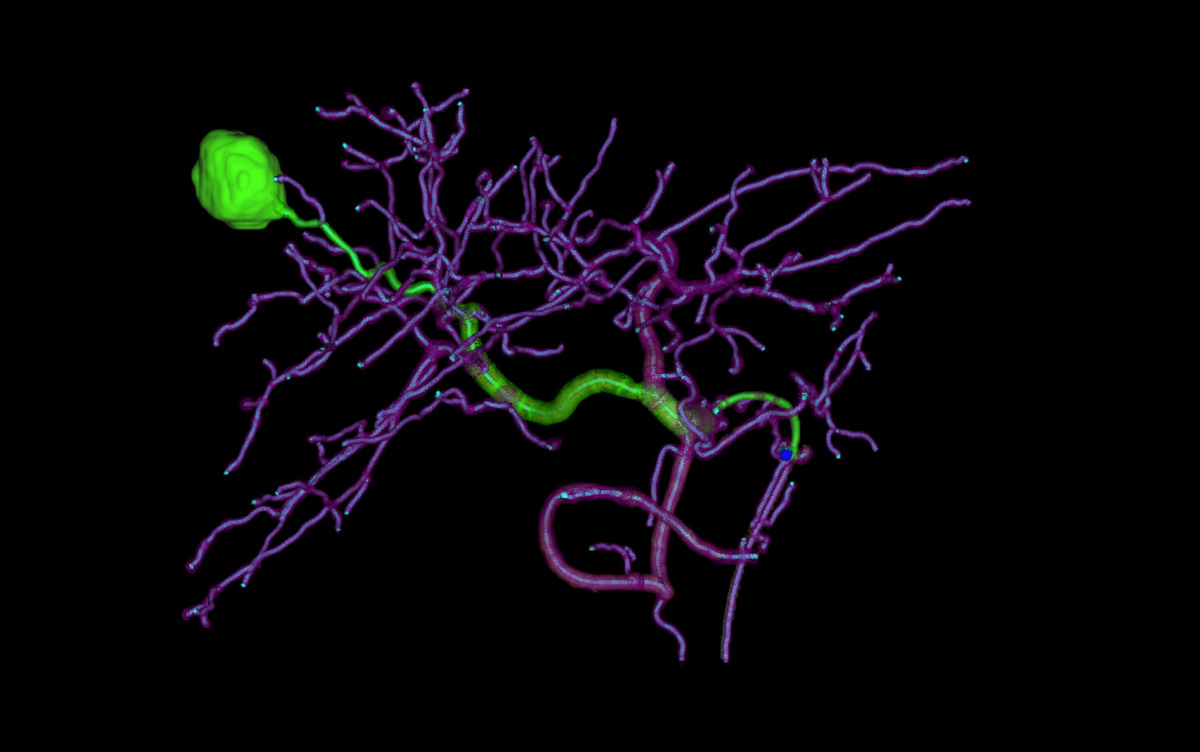
The myEmbolization Guide is an AI-based planning application that automates several manual steps in embolization procedures. It provides organ-specific workflows, including for liver and prostate interventions. In liver embolization, the tool enables three-dimensional tumor contouring and mapping of surrounding vessels to distinguish feeders from non-feeders.
This vascular mapping capability is particularly useful in complex embolizations, where precise identification of feeding vessels can determine procedural success and minimize damage to adjacent healthy tissue.
Optiq AI Imaging Chain
The systems also incorporate the Optiq AI imaging chain, which uses algorithms to reduce noise during image processing. The technology aims to improve image quality across several two-dimensional imaging modes without increasing radiation dose — an important differentiator given growing patient safety concerns in oncologic procedures.
Market Context and Implications
The updated platforms address growing demand for interventional procedures as patient volumes rise and staffing remains constrained. Embolization is commonly used to block blood flow to tumors or deliver localized therapy through targeted vessels, offering a minimally invasive alternative to systemic treatments.
“Interventional radiology demands precision, and our new Artis portfolio represents a leap toward truly personalized therapy for cancer patients,” said Carsten Bertram, head of Advanced Therapies at Siemens Healthineers. For the global market, these AI tools can accelerate adoption of minimally invasive ablation techniques.
Source: DOTmed