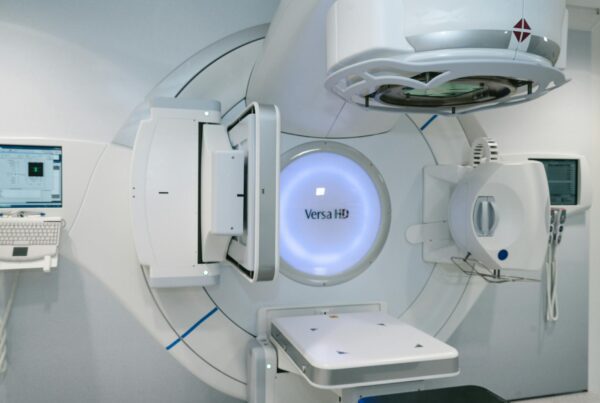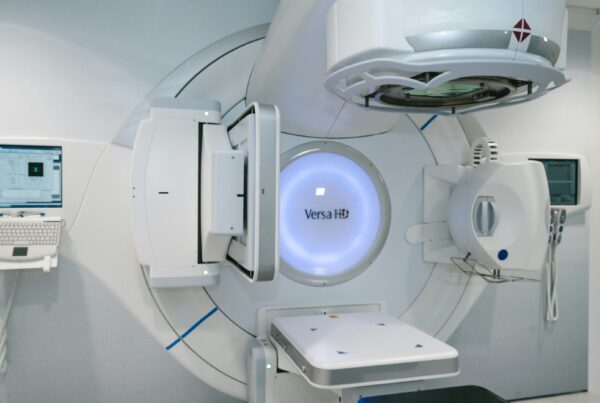

Rembra: CT Engineered for High-Demand and Emergency Settings
Royal Philips introduced Rembra at ECR 2026, its next-generation computed tomography system designed for the realities of acute and high-demand imaging. With healthcare systems under unprecedented pressure — rising patient volumes, increasing clinical complexity, and workforce shortages — Rembra was engineered from the ground up to combine speed, consistency, and long-term value.
Record-Breaking Speed for Clinical Decisions
Rembra delivers reconstruction speed of up to 106 images per second, enabling rapid image access in stroke, trauma, and other emergency scenarios. In busy emergency departments, delays in image reconstruction can slow diagnosis and impact outcomes. The system was designed to support up to 270 exams per day, helping imaging departments manage growing volumes without compromising speed or diagnostic confidence.
“Rembra is built for the realities that clinicians face every day,” said Dan Xu, Business Leader for Computed Tomography at Philips. “By combining our most advanced detector technology with AI-powered workflows and industry-leading speed, Rembra represents a significant step forward for high-acuity imaging.”
85 cm Bore and Extended Field of View
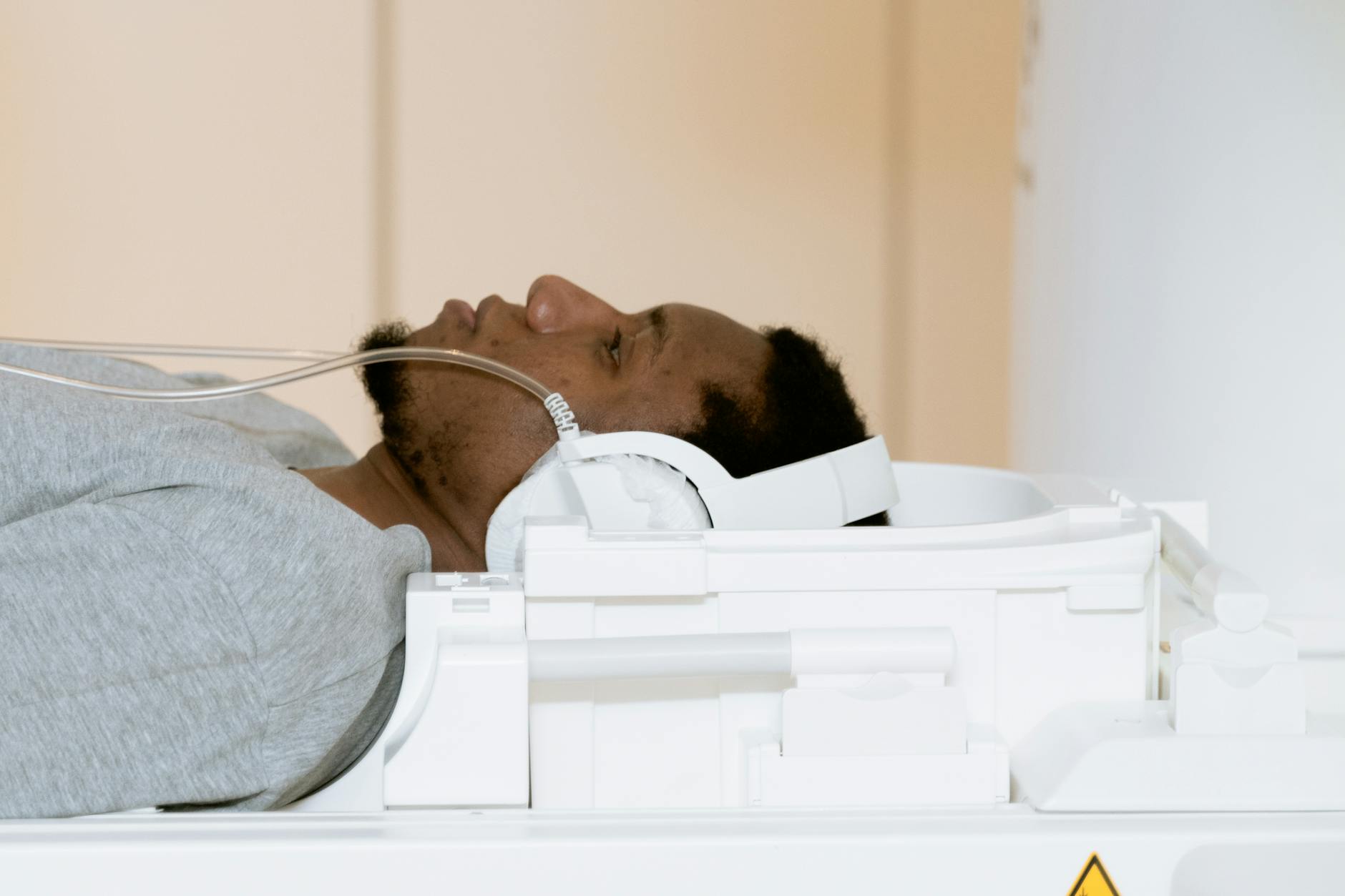
With an 85 cm bore, Rembra facilitates patient access and positioning, and may improve comfort for trauma, bariatric, and interventional cases. The system features a 60 cm standard field of view (sFOV) and 85 cm extended field of view (eFOV) — both the largest in their class of frontline radiology CT systems. A high-performance patient table offers a scan range of up to 2.3 meters for flexible patient positioning.
“In interventional and high-acuity settings, precise access and efficient positioning are essential,” noted Professor Olivier Rouvière of Hospices Civils de Lyon. The integration of AI workflows and the ability to operate at altitudes up to 5,000 meters reinforce the equipment’s suitability for diverse clinical scenarios worldwide, including the kind of settings GE HealthCare also targets with its systems.
NanoPanel Precise XD Detector with AI
At the heart of Rembra is the NanoPanel Precise XD, a high-density detector designed from the outset to work hand-in-hand with AI. The detector delivers exceptional in-plane spatial resolution of 23 line pairs per centimeter, enabling sharp detail and visualization of fine anatomical structures down to 0.25 mm. A 2D anti-scatter grid provides strong scatter rejection to maintain consistent image quality across patient sizes. The Tube for Life service program covers tube replacement costs for up to 10 years. The trend of AI embedded in hardware continues to gain momentum.
Outlook for the CT Market
Rembra’s launch intensifies competition in the high-performance CT segment. With a projected system lifetime of up to 20 years and integrated smart workflows, the system aims to balance clinical performance with operational sustainability. For institutions operating high-volume emergency departments and trauma centers, Rembra offers a value proposition combining speed, capacity, and durability.
Source: ITN Online