
Six Trends That Defined ECR 2026
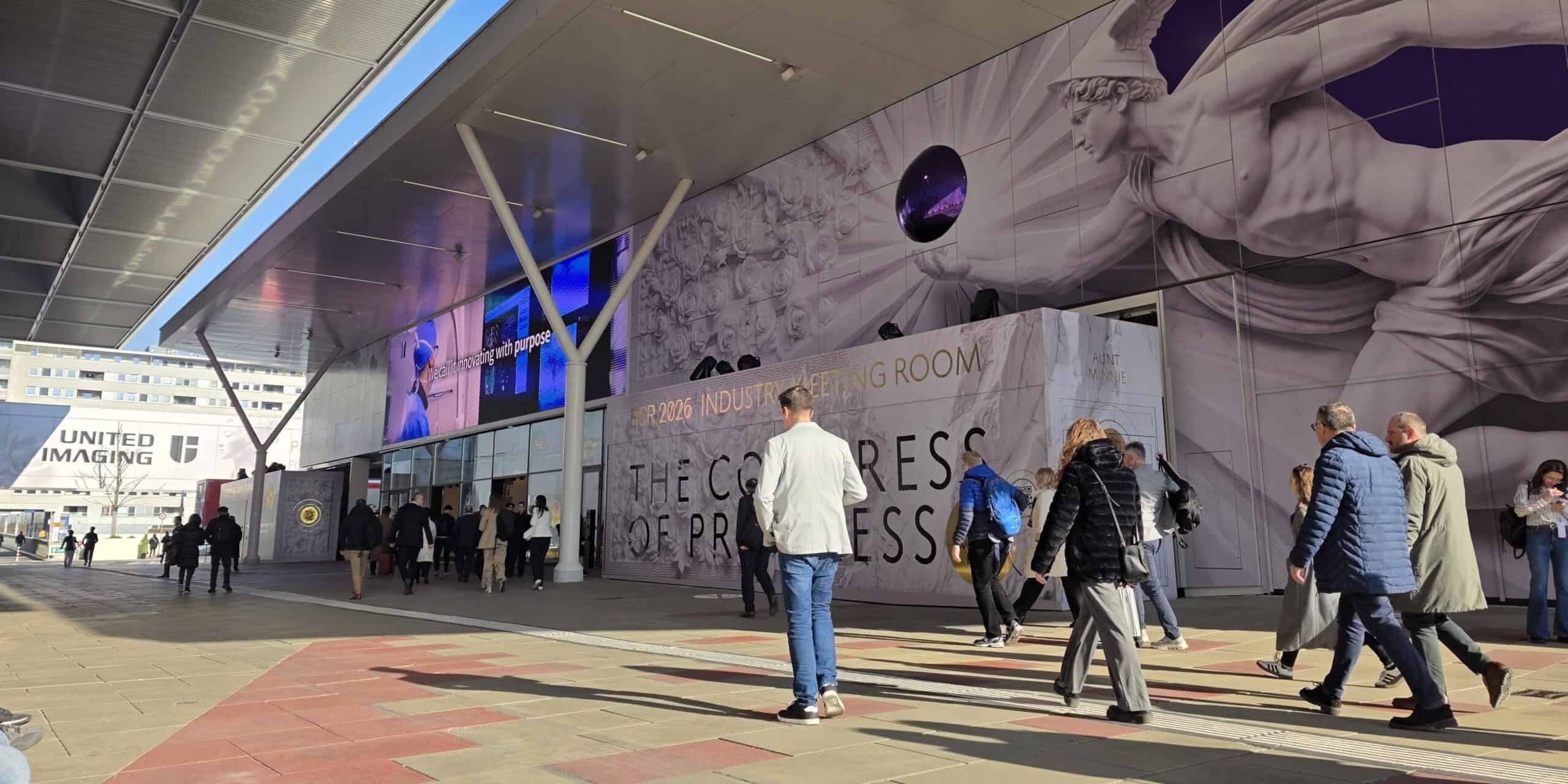
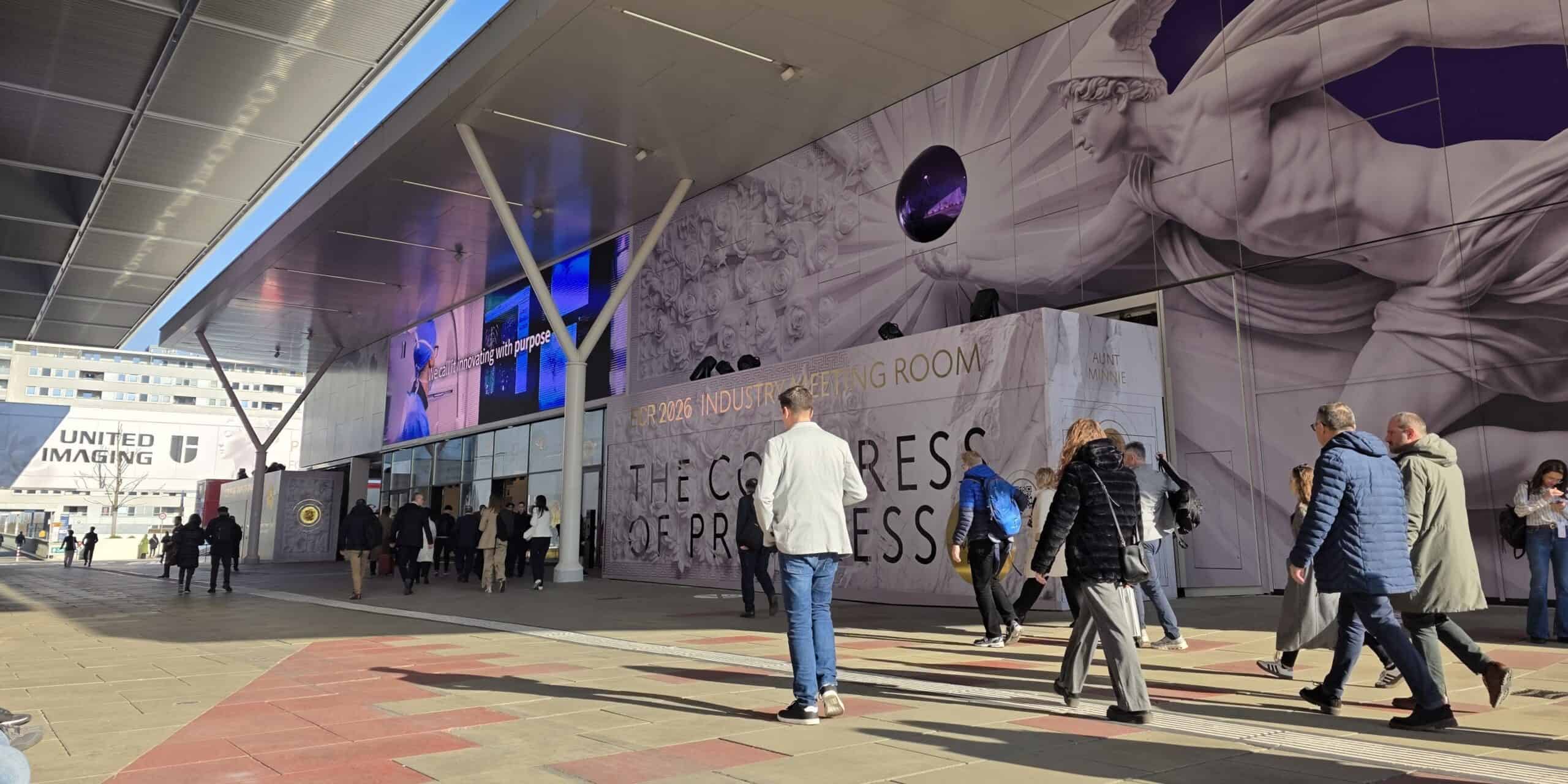
The 2026 edition of the European Congress of Radiology (ECR) concluded with an agenda dominated by artificial intelligence, strategic mergers, and significant clinical advances. The Vienna meeting solidified its position as a relevant counterpoint to RSNA, with European manufacturers and researchers demonstrating leadership in areas like AI-assisted mammography and lung screening. Here are the key trends identified.
1. Accelerating AI Market Consolidation
ECR week saw no fewer than three merger and acquisition agreements between AI developers — an unmistakable sign that consolidation in the sector is intensifying. DeepHealth acquired Gleamer, Sectra bought Oxipit, and Medimaps and Radiobotics agreed to merge. These moves indicate that venture capital is shifting toward larger players while smaller firms struggle for relevance in an increasingly competitive market.
2. Mammography AI Approaches Real-World Practice
Large-scale prospective studies like MASAI demonstrated the ability of mammography AI to significantly reduce radiologists’ workloads and improve interpretive performance. New applications for image-based risk assessment are moving mammography AI ever closer to real-world clinical implementation, with the potential to transform population screening programs. The approval of systems like Clairity for AI-based risk assessment reinforces this trend.
3. CT Lung Cancer Screening Advances in Europe
Numerous European countries are rolling out population-based CT lung cancer screening programs. ECR presentations discussed progress made and how AI technologies can make screening more effective, both in nodule detection and false positive reduction. The launch of Philips Rembra with capacity for 270 exams per day exemplifies how industry is preparing for these volume increases.
4. ECR Emerges as a Launch Venue
In terms of vendor news, ECR has always operated in RSNA’s shadow, but the 2026 edition showed this dynamic may be changing. AI companies timed M&A announcements with the congress, and other vendors coordinated product launches for Vienna. Fujifilm unveiled new Synapse solutions shortly before, and Philips chose ECR to debut Rembra, indicating that Europe is gaining weight on the launch calendar.
5. Sustainability Enters Radiology’s Agenda
Environmental sustainability and reducing radiology’s global footprint was a relevant theme for the second consecutive year. Vendors are offering solutions like helium-free MRI scanners and power-saving scanning protocols. Researchers demonstrated how energy-saving protocols can help radiology reduce its environmental impact without compromising diagnostic quality.
6. Geopolitical Turmoil Affects Attendance
Ongoing geopolitical turmoil affected attendance at ECR 2026, with flights from the Middle East and India to Europe canceled during the meeting. However, as with weather delays at RSNA 2025, congress proceedings continued normally and the halls of Austria Center Vienna appeared as crowded as in past years.
Source: The Imaging Wire