
GE HealthCare opens Phase 2/3 trial of manganese-based MRI contrast
GE HealthCare announced that the first patient has been dosed in LUMINA, an international multi-center Phase 2/3 trial of mangaciclanol — a manganese-based MRI contrast agent — at Mayo Clinic in Rochester, Minnesota. If it clears the regulatory bar, mangaciclanol could offer an alternative to, or even replace, gadolinium-based contrast agents, the current standard of care for contrast-enhanced MRI.
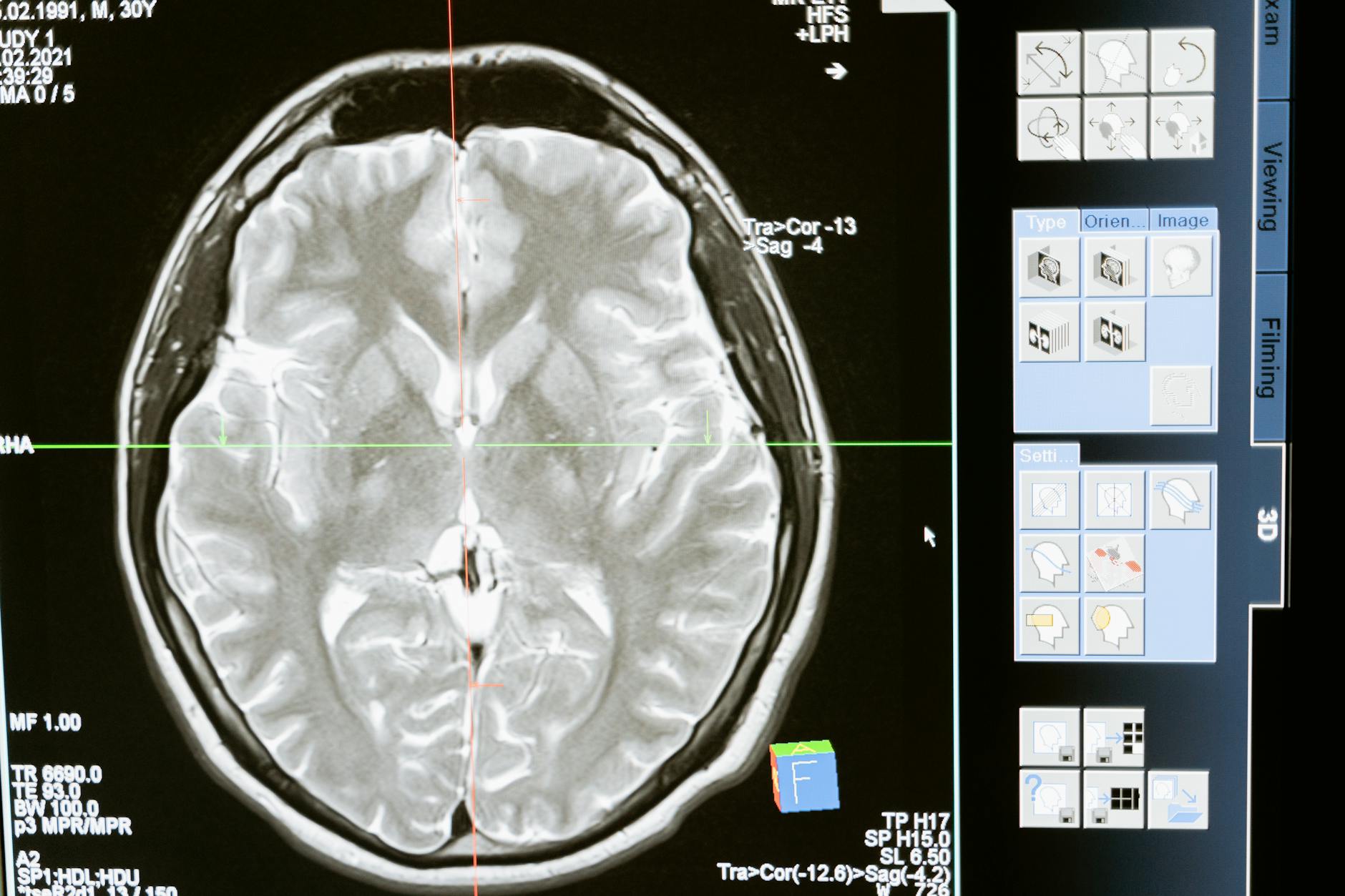
The U.S. FDA has granted mangaciclanol Fast Track designation for use in adults and pediatric patients aged 2 and older for MRI to detect and visualize lesions with abnormal vascularity in the central nervous system and the body. Fast Track expedites review for therapeutics and imaging agents that address significant unmet patient needs.
What mangaciclanol is and why it matters
Mangaciclanol is a macrocyclic manganese chelate — a molecular cage engineered to limit tissue retention of the metal. Unlike gadolinium, a lanthanide with documented toxicity from chronic retention, manganese is an endogenous element, naturally present in the human diet and metabolically regulated by the body. That biological profile is one of the main reasons industry has revisited manganese-based alternatives over the past few years.
Preclinical work and the Phase 1 trial of mangaciclanol show relaxivity comparable to gadobutrol, one of the most widely used macrocyclic gadolinium agents, with diagnostic image quality reported as similar in early scans. Translation: contrast signal and lesion conspicuity track the familiar window radiologists already know, without forcing radically different protocols.
Globally, roughly one third of MRI procedures require a contrast agent for effective diagnosis, with around 65 million gadolinium-enhanced procedures performed annually. The market is mature, but regulatory pressure is mounting and clinical sensitivity is rising around tissue gadolinium deposition in patients exposed to repeated doses across a lifetime.
Inside the LUMINA trial
LUMINA is an international multi-center Phase 2/3 trial designed to support submission to the FDA and other regulators. The first dose was administered on April 23, 2026 at Mayo Clinic. The trial assesses mangaciclanol’s diagnostic performance across adult and pediatric populations, with endpoints focused on detection and characterization of lesions with abnormal vascularity in the CNS and elsewhere in the body.
“Existing gadolinium-based contrast agents carry safety language associated with gadolinium retention. Mangaciclanol could offer an alternative for broad patient groups, including vulnerable patients and those requiring multiple scans, while still offering similar diagnostic performance,” said Jit Saini, chief medical officer for Pharmaceutical Diagnostics at GE HealthCare. The Phase 1 first-in-human trial reported the agent was well tolerated, with no serious adverse events, no dose-limiting toxicities, and no clinically relevant findings.
What it means in clinical practice
For radiologists running contrast-enhanced MRI day to day, a manganese-based agent would change the technical protocol less than the headline suggests. Equivalent relaxivity means post-contrast T1 sequences should retain similar acquisition windows. The real clinical gain is concentrated in pediatric populations and in patients with renal disease or cumulative gadolinium exposure — groups where retention is a documented concern.
The shift also eases supply-chain pressure. Gadolinium is a rare-earth metal, mined in a handful of countries, with non-trivial price volatility. Manganese is abundant and broadly distributed, giving health systems more economic and strategic predictability — a dimension that often goes unmentioned in purely clinical debates.
Mangaciclanol is not the first manganese-based contrast attempting market entry, but it is the first with a modern macrocyclic profile developed inside one of the imaging “big four.” The regulatory context is also more mature: gadolinium retention discussions have produced specific guidance in the U.S., the E.U., and Brazil, generating real demand for alternatives.
Regulatory outlook and next steps
The path to approval still requires LUMINA to hit its non-inferiority or superiority endpoints — an outcome GE HealthCare ties to completion of Phases 2 and 3, which typically runs two to four years for international multi-center designs. A positive signal, however, is the integrated Phase 2/3 design, which tends to compress the timeline.
For radiology administrators, the planning window is comfortable. National regulators outside the U.S. usually trail FDA decisions by months to a couple of years, and reimbursement decisions add another layer. High-volume MRI services should start watching the topic now, since partial substitution of gadolinium in selected patient subgroups can begin well before any system-wide replacement.
The broader takeaway is that MRI contrast chemistry, considered stable for nearly a decade, is moving again. Reading this alongside incidental findings on CT lung screening and parallel debates about contrast minimization in CT shows the entire contrast media field is under review, and radiologists who learn the macrocyclic and endogenous alternatives early will have an edge in the next round of protocol updates. Meanwhile, market events such as the Philips Azurion and Allura recall shape institutional trust in vendors and can accelerate adoption of innovations from other manufacturers.
Source: ITN Online — GE HealthCare: First Patient Dosed in Trial for Manganese-based MRI Contrast Agent