
PIUR tFlow Brings AI-Powered TI-RADS Classification to Thyroid Ultrasound
PIUR Imaging has released a significant update to its AI-powered thyroid ultrasound software, PIUR tFlow. The new version automates thyroid nodule classification according to the TI-RADS (Thyroid Imaging Reporting and Data System) framework, aiming to reduce interobserver variability and streamline the diagnostic workflow.
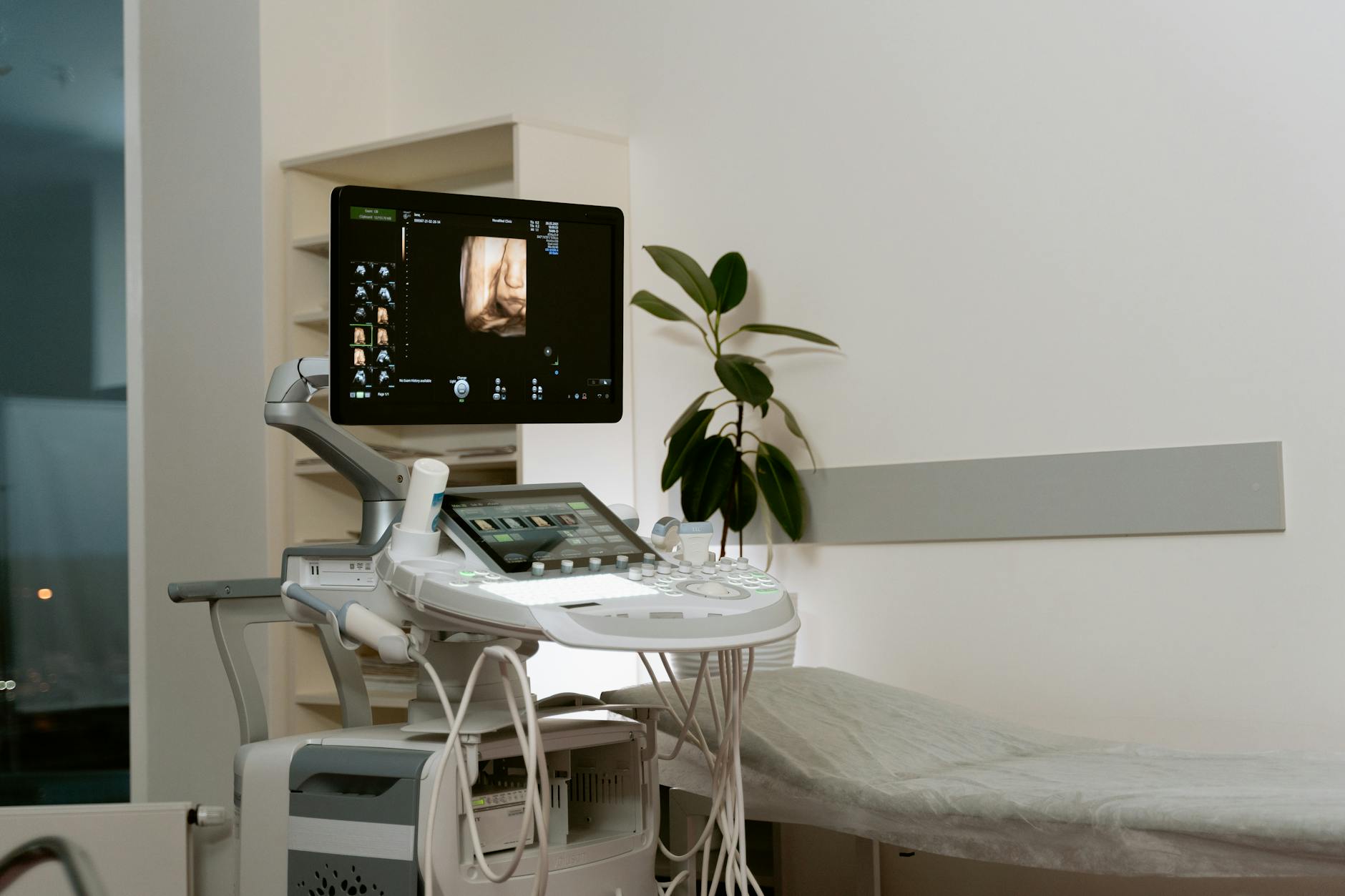
The Austrian company, which specializes in AI-enhanced ultrasound imaging solutions, has positioned itself as a leader in 3D reconstruction from conventional 2D ultrasound acquisitions. The tFlow system uses positional tracking sensors attached to standard ultrasound transducers to generate three-dimensional volumes, enabling more comprehensive thyroid gland assessment without specialized equipment.
Automated TI-RADS Scoring: Tackling Interobserver Variability
One of the key challenges in ultrasound-based thyroid nodule diagnosis is interobserver variability. Different sonographers may classify the same nodule differently depending on their experience and interpretation of echographic features. The ACR TI-RADS system standardized classification into categories from TR1 (benign) to TR5 (highly suspicious), but manual application remains subject to disagreement.
PIUR tFlow automatically analyzes nodule characteristics — composition (solid, cystic, mixed), echogenicity, shape, margins, and echogenic foci — and assigns the corresponding TI-RADS score. According to the company, the algorithm was trained on thousands of expert-validated clinical cases and demonstrates greater than 90% concordance with experienced radiologists’ assessments.
3D Reconstruction From Conventional Ultrasound
PIUR’s technological differentiator lies in its ability to generate 3D volumes from standard 2D scans. This is made possible by a positional tracking sensor that attaches to any conventional transducer, recording the position and orientation of each frame. The software then reconstructs a complete three-dimensional volume of the thyroid, enabling precise volumetric measurements, longitudinal nodule monitoring, and biopsy planning.
This approach eliminates the need for dedicated 3D transducers, which are more expensive and less widely available. In practice, any clinic equipped with a conventional ultrasound machine can access 3D functionality by simply adding PIUR’s sensor and software — an attractive proposition for budget-constrained facilities.
Context: AI in Ultrasound Is Expanding Rapidly
AI application in ultrasound has been advancing swiftly. While conventional radiology modalities (X-ray, CT, MRI) account for the majority of FDA-cleared AI devices, ultrasound is emerging as the next frontier. The reasons are clear: it is the most accessible imaging modality, the most widely used globally, and the most operator-dependent — characteristics that make AI assistance particularly valuable.
The global diagnostic imaging market, projected to reach $82 billion by 2034, has AI-enhanced ultrasound as one of its most promising growth segments. Other companies are also investing in thyroid AI, including Samsung, GE HealthCare, and Butterfly Network, creating a competitive ecosystem that benefits end users.
Clinical Implications
Thyroid nodules are extremely common — estimates suggest that up to 68% of the adult population has nodules detectable by high-resolution ultrasound. The vast majority are benign, but differentiation requires standardized, reproducible protocols. Tools like PIUR tFlow can help reduce unnecessary biopsies by offering an objective AI-based second opinion.
In settings where access to subspecialized thyroid radiologists is limited, AI-integrated ultrasound software could level diagnostic quality across facilities of different sizes. The growing wave of AI regulation in radiology across U.S. states also signals the direction the global market is taking regarding validation and certification of these tools.
Outlook: The Future of Intelligent Ultrasound
The PIUR tFlow update represents another step in the evolution of ultrasound from an operator-dependent modality to an AI-assisted diagnostic platform. With equipment miniaturization, expanding portable sensor capabilities, and increasingly sophisticated algorithms, thyroid ultrasound — and ultrasound for other structures — is poised to become progressively more standardized, accessible, and accurate, regardless of operator experience.
Source: AuntMinnie