
Louisiana Hospital Opens $3M Interventional Radiology Suite
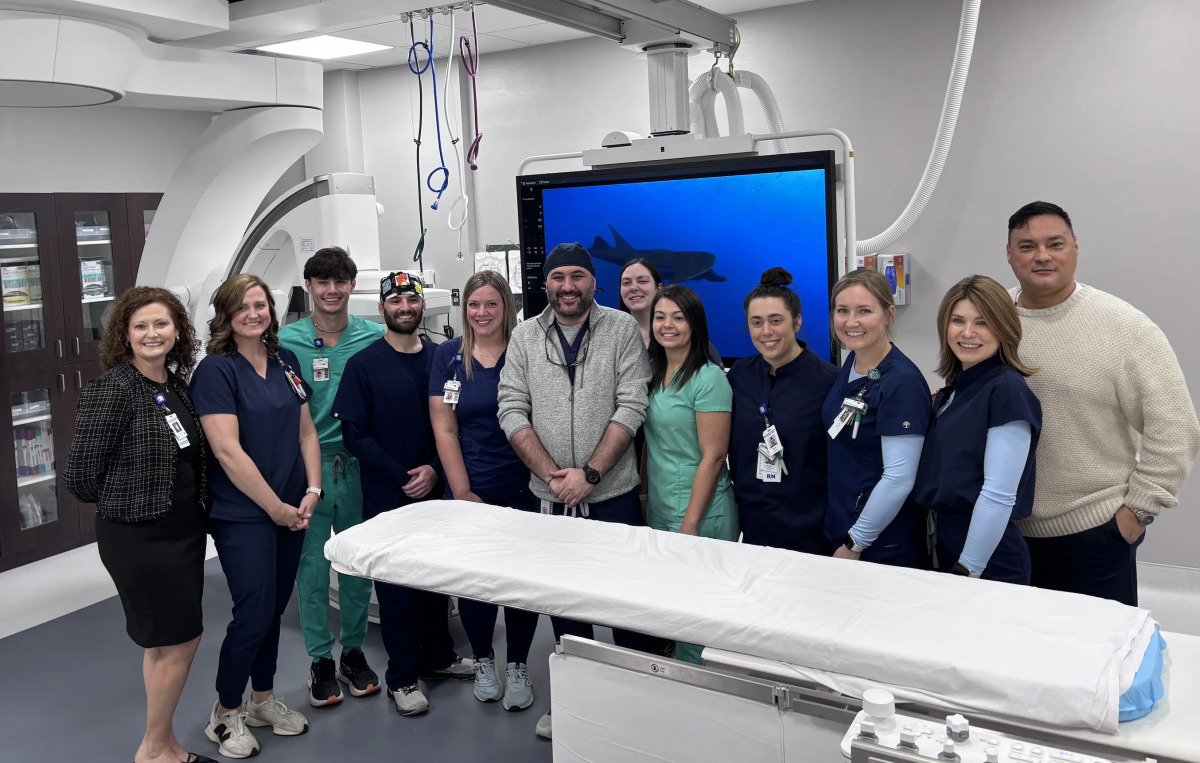
Rapides Regional Medical Center in Alexandria, Louisiana, officially opened a new interventional radiology (IR) suite on March 13, 2026, following a $3 million investment in its imaging infrastructure. The unit is the first of its kind in central Louisiana, providing local patients with access to minimally invasive procedures that previously required travel to specialized centers elsewhere in the state — a significant milestone for healthcare equity in the region.
What Interventional Radiology Offers Patients
Interventional radiology uses imaging guidance — including CT, fluoroscopy, and ultrasound — to perform minimally invasive diagnostic and therapeutic procedures. Rather than traditional open surgery, IR physicians work with needles, catheters, and specialized instruments while visualizing the body’s interior in real time. The result is typically less anesthesia, shorter recovery periods, reduced blood loss, and fewer complications compared to conventional surgical approaches — making IR a preferred option for many patients, particularly those at higher surgical risk or with complex comorbidities.
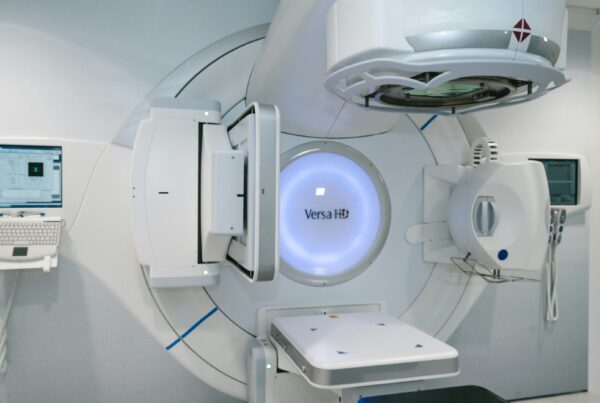
The Rapides Regional suite supports image-guided biopsies, vascular access, fluid management, drainage interventions, uterine and prostate embolization, and cryoablation. Its standout technical capability is the ability to perform CT scans while the patient remains on the procedure table — a feature that significantly enhances the precision of advanced oncological treatments, particularly tumor ablation, where real-time imaging confirmation is critical to achieving the desired clinical outcome.
“We will be able to perform CT scans while the patient is on the table,” said Dr. Elie Barakat, an interventional radiologist at the hospital. “This will help during treatments we are doing, especially advanced oncology treatments. We can directly inject beams of radiation inside the tumors.” He added that the approach may also reduce overall radiation exposure per patient and allow individuals to receive specialized procedures locally rather than traveling to other parts of the state.
Workflow Efficiency and Clinical Experience
Brandi Laroux, radiology director at Rapides Regional, emphasized the dual benefit for both patients and clinical staff: “Both our patients and clinicians can benefit from the speed, low-dose levels, and outstanding image quality of this new system. It will allow our physicians to complete a variety of diagnostic and interventional procedures faster, and that means the patient is off the table and on their way to recovery and discharge much sooner.”
Faster procedures translate directly into better patient throughput and reduced procedure-related risks. Each reduction in table time means less anesthetic exposure, lower infection risk, and greater comfort — outcomes that matter especially for elderly or immunocompromised patients undergoing complex IR treatments. Increased efficiency also expands daily case capacity, which can meaningfully reduce wait times for patients across central Louisiana who need access to interventional care without the burden of long-distance travel.
This investment aligns with the growing trajectory of the global diagnostic imaging market, which analysts project will reach $82 billion by 2034 — driven largely by demand for image-guided interventional services and AI-integrated diagnostic workflows that reduce unnecessary surgical interventions.
A Regional Health Equity Milestone
Rapides Regional Medical Center operates 346 beds and employs over 450 physicians. As a level 2 trauma center seeing more than 60,000 emergency patients annually, it serves as a cornerstone of healthcare in central Louisiana. The new IR suite is expected to retain a significant portion of complex cases locally that previously required transfer to tertiary facilities in Baton Rouge, New Orleans, or even out of state — reducing both the logistical burden on families and the cost of care.
The hospital’s investment reflects a growing national trend of community hospitals expanding interventional capabilities to offer populations the same standard of care available at large academic medical centers. The demand for IR services has consistently outpaced the supply of facilities offering them — a gap that disproportionately affects non-metropolitan communities across the United States. The Rapides suite represents a meaningful step toward closing that gap in one of Louisiana’s most underserved regions.
The Strategic Role of the Interventional Radiologist
As the radiologist of the future takes on an increasingly strategic role in clinical decision-making, interventional radiology stands at the center of that transformation. The modern IR physician is not merely an imaging specialist — they are a clinician performing definitive treatments, often replacing traditional surgery with less invasive and equally effective approaches that result in shorter hospitalizations and faster return to daily life.
Emerging AI tools are beginning to assist IR physicians in procedure planning, real-time guidance, and post-intervention outcomes analysis — capabilities that promise to further improve precision and reduce variability. For Rapides Regional, the opening of this suite marks the beginning of a broader evolution in regional imaging capabilities, with a long-term vision of establishing a comprehensive IR hub capable of serving the diverse and medically complex population of central Louisiana.
Source: DOTmed / Health Imaging