
MRI Scoring System May Transform Liver Cancer Follow-Up
Researchers have developed a new magnetic resonance imaging (MRI) scoring system capable of predicting early recurrence of hepatocellular carcinoma (HCC) following curative treatment. The system leverages imaging characteristics identifiable on pretreatment MRI examinations to stratify patients into risk categories, potentially transforming how oncologists and radiologists plan post-therapeutic surveillance.
Clinical Context of Hepatocellular Carcinoma
HCC is the most common primary liver cancer and represents the third leading cause of cancer mortality worldwide. Even after curative treatment — whether surgical resection, liver transplantation, or ablation — recurrence rates remain high, reaching 50-70% at five years. Early recurrence, generally defined as occurring within the first two years, is associated with significantly worse prognosis and often reflects microscopic tumor dissemination undetected at the time of initial treatment.
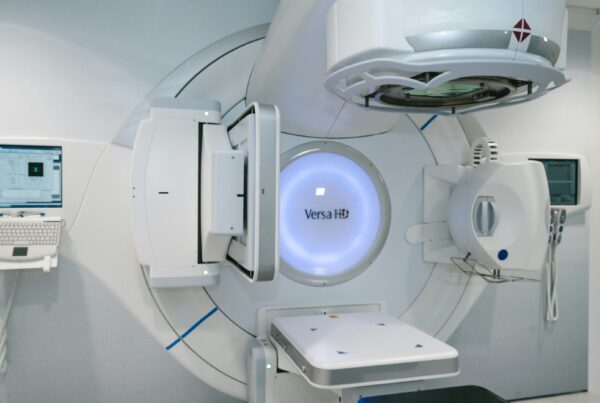
This clinical reality underscores the importance of predictive tools that can identify high-risk patients early, enabling more intensive surveillance protocols and earlier interventions. Precise target volume delineation in hepatocellular carcinoma is already a central concern in radiation therapy, and MRI is now expanding its role into prognostic prediction as well.
How the New Scoring System Works
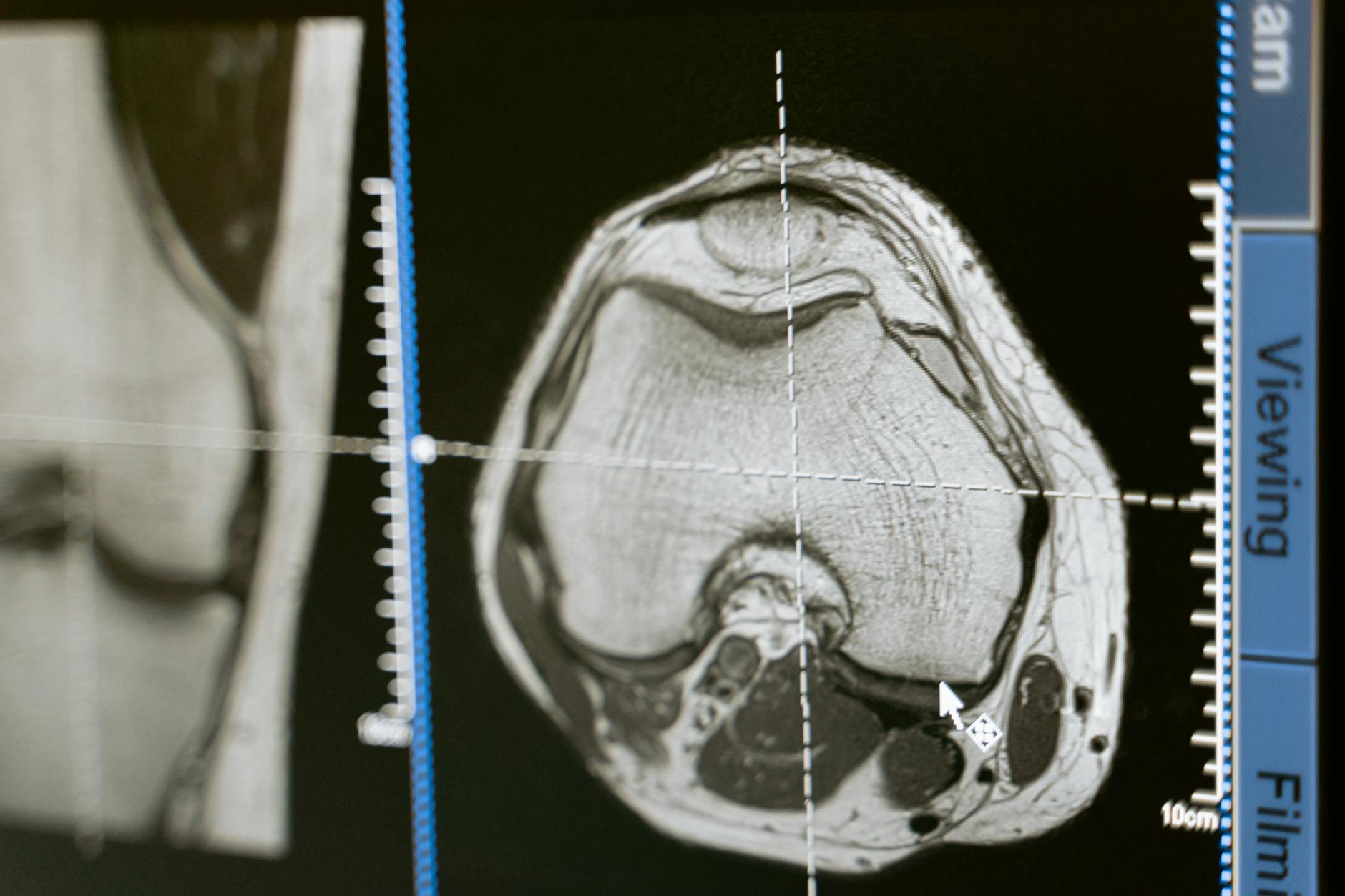
The scoring system evaluates multiple characteristics observable on contrast-enhanced MRI, including arterial enhancement pattern, presence of tumor capsule, irregular tumor margins, diffusion-weighted imaging (DWI) signal, and hepatobiliary phase behavior (when gadoxetic acid is used). Each parameter receives a score, and the composite score stratifies patients into low, intermediate, and high recurrence risk categories.
The key advantage of this approach lies in utilizing information already available from staging examinations, without requiring additional procedures or supplementary serum biomarkers. Radiologists can apply the score during routine examination interpretation, integrating prognostic assessment into the staging report. The growing adoption of FDA-approved AI in radiology may eventually automate this classification process.
Implications for Clinical Practice
For radiologists, the score represents an opportunity to add prognostic value to reports, going beyond simple morphological tumor description. Patients classified as high risk may benefit from shorter follow-up intervals, with imaging every three months rather than the conventional six months. Additionally, risk stratification can assist in selecting candidates for adjuvant therapies, including immunotherapy and targeted therapies showing promising results in advanced HCC.
In healthcare systems where access to liver transplantation is limited and diagnosis often occurs late, image-based risk stratification tools gain particular relevance for optimizing resources and directing post-treatment follow-up strategies.
Outlook and Next Steps
Validation in multicenter cohorts and integration with clinical and laboratory data (such as alpha-fetoprotein and hepatic function) will be fundamental steps toward broad clinical adoption of this scoring system. Combining it with radiomics algorithms and artificial intelligence for automated image feature extraction could further enhance its predictive power, bringing radiology closer to truly personalized medicine.
Source: AuntMinnie